
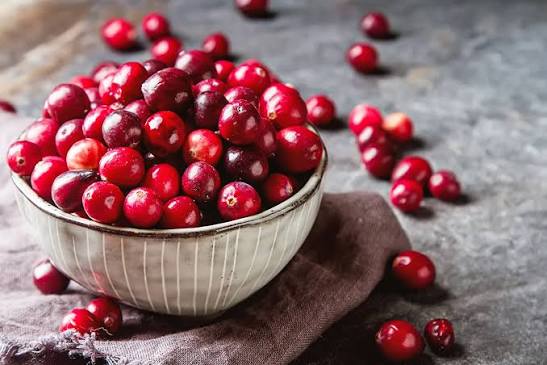
Cranberry (Introduction, Benefits, and Usages)
Cranberry benefits for urinary tract health are one of the most researched natural remedy claims in all of herbal medicine — and the science has given us a much more nuanced picture than the simple “cranberry juice cures UTIs” folk belief. Vaccinium macrocarpon contains a specific class of compounds — type-A proanthocyanidins (PACs) — that prevent certain bacteria from adhering to the urinary tract lining. Beyond UTI prevention, cranberry’s polyphenol content provides cardiovascular, dental, anti-cancer, and immune benefits that make it one of North America’s most medicinally significant native berries. See Wikipedia: Cranberry. For related urinary support herbs, explore Gokshura and Corn silk.
What Is Cranberry? A Complete Introduction
Origin and History of Cranberry
Cranberries grow wild across bogs and wetlands of northeastern North America, and were used extensively by Native American peoples as food, medicine, and dye for centuries before European colonisation. Various tribes used cranberry for urinary problems, fever reduction, wound healing, and as a food preservation agent — their traditional knowledge about urinary applications has been remarkably validated by modern pharmacology. Commercial cranberry cultivation developed in Massachusetts in the early 19th century, and the United States remains the world’s largest producer today.
Key Compounds and Nutritional Profile
Type-A proanthocyanidins (PACs) are cranberry’s most medicinally distinctive compounds — these specific oligomeric flavonoids prevent uropathogenic E. coli from attaching to the epithelial cells lining the urinary tract by blocking their adhesion fimbriae. This anti-adhesion mechanism is the scientific basis for cranberry’s UTI prevention benefit. Cranberry also contains quercetin, myricetin, peonidin, cyanidin, anthocyanins, vitamin C, and vitamin E. The ursolic acid in cranberry skin has anti-cancer research interest. See Wikipedia: Proanthocyanidin.
Top Health Benefits of Cranberry
Cranberry Benefits for Immunity and Overall Health
A Cochrane review of 24 randomised controlled trials found cranberry products (juice, supplements) significantly reduced UTI recurrence in women with recurrent UTIs compared to placebo or water. The benefit is specifically preventive — cranberry doesn’t treat active UTIs effectively (the concentration of PACs in cranberry juice isn’t high enough to clear established infection), but it prevents recurrence by blocking bacterial adhesion. For women with more than 3 UTIs per year, daily cranberry PAC supplements are a genuinely evidence-based prevention strategy. The cardiovascular benefits of cranberry polyphenols are increasingly documented — improving endothelial function, reducing LDL oxidation, and lowering blood pressure in clinical trials.
Cranberry for Skin, Hair, and Beauty
Cranberry’s exceptional antioxidant content (vitamin C, vitamin E, quercetin, and anthocyanins) provides significant skin-protective antioxidant benefits when consumed regularly. The proanthocyanidins and quercetin have been studied in topical formulations for anti-ageing, UV protection, and anti-inflammatory skin benefits. Cranberry seed oil (cold-pressed from cranberry seeds) has an unusual balance of omega-3, omega-6, and omega-9 fatty acids and is used in premium natural skincare for antioxidant and skin barrier support. Its deep red colour comes from cranberry pigments with potent antioxidant activity.
Medicinal Properties of Cranberry
How Cranberry Works as a Natural Remedy
The anti-adhesion mechanism works specifically against uropathogenic E. coli (UPEC) strains — these bacteria use type 1 and type P fimbriae to attach to the uroepithelium and initiate infection. Cranberry’s type-A PACs structurally interfere with these adhesion structures, preventing bacterial attachment and allowing bacteria to be flushed out with urination. This mechanism is specific — cranberry doesn’t kill bacteria or create antibiotic effects, which is why it prevents but doesn’t treat active infection. It also means it’s resistant to the antibiotic resistance problem — bacteria can’t develop resistance to a physical anti-adhesion mechanism.
Cranberry’s oral health benefits work through a similar anti-adhesion mechanism — the PACs prevent Streptococcus mutans from adhering to tooth enamel, reducing cavity formation and plaque accumulation. This has been confirmed in clinical studies, though the practical challenge is that commercially sweetened cranberry juice negates the oral health benefit through its sugar content.
Cranberry in Ayurveda and Traditional Medicine
Cranberry isn’t a classical Ayurvedic herb — it’s native to North America. In contemporary integrative Ayurvedic practice, cranberry is classified as sour, cooling, and astringent — Pitta-Kapha reducing and Vata-aggravating in excess. Its astringent, anti-adhesive properties for urinary conditions align with the Ayurvedic approach of using astringent herbs to support urinary tract integrity. The sour taste (Amla rasa) in Ayurveda is considered beneficial for urinary conditions and liver function — aligning with modern research on cranberry’s urinary and hepatoprotective benefits.
How to Use Cranberry — Practical Usages
Cranberry in Food, Tea, and Cooking
Eat fresh or frozen whole cranberries — they have far higher PAC content than processed juice. Add to smoothies, oatmeal, salads, or cook into sauces. Unsweetened cranberry juice (100% juice, not cocktail) is the traditional urinary prevention preparation — drink 250–500 ml daily for UTI prevention. However, the tart taste makes compliance difficult. Cranberry powder or concentrated capsules provide much higher PAC concentrations with less liquid and no sugar — more effective for the UTI prevention benefit.
Cranberry as a Supplement or Topical Application
Standardised cranberry extract capsules (providing 36 mg of type-A PACs daily — the research-validated dose) are the most effective form for UTI prevention. This dose is nearly impossible to achieve through juice alone due to the processing losses. Look for supplements standardised specifically to PAC content, not just total polyphenols. Cranberry seed oil can be applied topically as an antioxidant skin oil — a few drops mixed into your regular moisturiser or applied directly to face skin. See Gokshuradi Guggulu for complementary Ayurvedic urinary support.
Side Effects and Precautions of Cranberry
- Warfarin interaction: cranberry may significantly potentiate warfarin anticoagulation — potentially dangerously. If on warfarin, avoid large amounts of cranberry juice or supplements; small food amounts are generally safe
- Kidney stones: cranberry is high in oxalate — people with calcium oxalate kidney stones should avoid high-dose cranberry supplementation
- Blood sugar: commercial cranberry juices are often heavily sweetened — check labels; choose unsweetened or supplement forms
- Not for active UTI treatment: seek antibiotic treatment for active UTI — cranberry prevents recurrence but doesn’t clear established infection effectively
Frequently Asked Questions About Cranberry
Does cranberry actually prevent UTIs?
Yes — specifically for prevention of recurrent UTIs, not treatment of active infections. A Cochrane review of 24 trials confirms the benefit, particularly for women with recurrent UTIs. The key is using a form with meaningful PAC content (36 mg daily of type-A PACs) — most commercial cranberry juices don’t provide adequate doses. Standardised supplements are more reliable than juice for this specific benefit.
How much cranberry do I need for UTI prevention?
Research indicates 36 mg of type-A proanthocyanidins (PACs) daily is the effective dose for UTI prevention. This is achievable through about 500 ml of unsweetened cranberry juice daily, or through a standardised PAC supplement (much more convenient and without the sugar/calorie load). Look for supplements that specifically state “36 mg PAC” or are standardised to this dose.
Is cranberry juice effective or do I need supplements?
Unsweetened 100% cranberry juice is effective at meaningful volumes (250–500 ml daily), but compliance is difficult due to the extreme tartness. Sweetened “cranberry cocktail” drinks contain only 15–30% cranberry juice — not effective. Standardised PAC supplements are the most practical and reliable form for consistent therapeutic dosing without the sugar burden of juice.
Cranberry benefits are most specific and well-documented for UTI prevention — this is one of herbal medicine’s most evidence-validated applications, with a clear mechanism (PAC anti-adhesion) and consistent clinical trial evidence. Use standardised PAC supplements or genuine unsweetened juice consistently for prevention if you’re prone to recurrent UTIs. The cardiovascular, dental, and antioxidant benefits provide additional reasons to include cranberry products regularly in your diet regardless of urinary tract history.

Add comment