
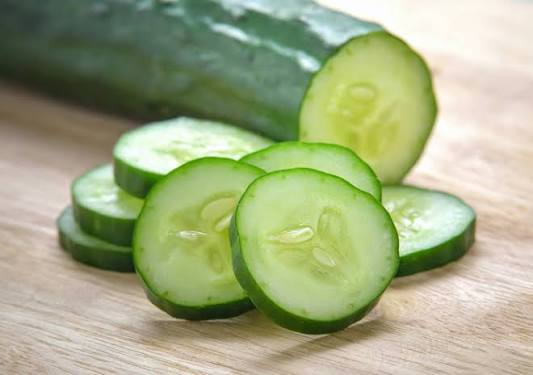
Cucumber (Introduction, Benefits, and Usages)
Cucumber benefits go well beyond the classic “cooling vegetable” role — Cucumis sativus contains a specific set of compounds including cucurbitacins, fisetin, and silica that have documented anti-inflammatory, hepatoprotective, skin-supporting, blood sugar-modulating, and even potential anti-cancer properties. Cucumber has been cultivated and used medicinally in India, the Middle East, and China for over 3,000 years. In Ayurveda, it’s one of the primary cooling, Pitta-reducing foods — and the pharmacological research confirms precisely why the traditional classification makes sense. See Wikipedia: Cucumber. For related cooling Ayurvedic vegetables, explore Celery and Corn.
What Is Cucumber? A Complete Introduction
Origin and History of Cucumber
Cucumber (Cucumis sativus) was first cultivated in India over 3,000 years ago, making it one of the oldest known cultivated vegetables in the world. From India, it spread to ancient Greece and Rome (the Roman emperor Tiberius reportedly ate cucumbers daily), and subsequently throughout Europe and the rest of the world. It belongs to the Cucurbitaceae family — alongside melons, gourds, and pumpkin — all of which share some medicinal phytochemicals including cucurbitacins. In ancient India, cucumber (Trapusha in Sanskrit) was used medicinally for heat-related conditions, urinary complaints, and skin cooling long before modern pharmacology identified its active compounds.
Key Compounds and Nutritional Profile
Cucumber is 95% water, which itself has therapeutic value for hydration. The remaining 5% contains surprisingly rich pharmacology: cucurbitacins (triterpenes with bitter taste and documented anti-inflammatory, hepatoprotective, and anti-tumour properties), fisetin (a flavonoid with potent anti-inflammatory, neuroprotective, and anti-cancer properties that accumulates particularly in cucumbers among common foods), lignans (pinoresinol, lariciresinol, secoisolariciresinol — phytoestrogens with cancer-protective and cardiovascular benefits), silica (essential for connective tissue, skin, and joint health), and vitamin K. See Wikipedia: Fisetin.
Top Health Benefits of Cucumber
Cucumber Benefits for Immunity and Overall Health
Fisetin is cucumber’s most pharmacologically interesting compound. Research shows fisetin has exceptional anti-inflammatory properties (inhibiting NF-kB and multiple inflammatory pathways), neuroprotective effects (protecting neurons from oxidative stress in Alzheimer’s models), and senolytic activity — it selectively eliminates “zombie cells” (senescent cells) that drive ageing and chronic inflammation. Cucumber is one of the richest dietary sources of fisetin alongside strawberries. The cucurbitacins have documented hepatoprotective and anti-tumour activity in laboratory research. Regular cucumber consumption provides meaningful amounts of these compounds.
Cucumber for Skin, Hair, and Beauty
Cucumber’s skin benefits are its most widely known application — and they’re genuinely real. Cooling and soothing: the high water content and mild anti-inflammatory compounds reduce skin inflammation, redness, and puffiness on contact. Caffeic acid and ascorbic acid in cucumber reduce UV-induced skin damage. Silica supports collagen synthesis — the structural protein keeping skin firm — through its role as a co-factor in hydroxylation reactions. Placing chilled cucumber slices on eyes reduces periorbital puffiness through both the cooling effect and mild tannin astringency that temporarily tightens swollen tissue. For hair, silica supports the strength of the keratin structures in hair and nails.
Medicinal Properties of Cucumber
How Cucumber Works as a Natural Remedy
Cucumber’s diuretic action — mild but consistent — increases urine output and supports kidney flushing of metabolic waste products. This is relevant for urinary tract health, blood pressure management (through increased sodium excretion), and reducing fluid retention. The mild diuresis combined with the 95% water content makes cucumber one of the most hydrating foods available. For blood sugar, cucumber peel extract has shown alpha-glucosidase inhibiting activity in research — slowing carbohydrate digestion and reducing postprandial glucose spikes. Including cucumber with high-carbohydrate meals may provide modest blood sugar benefits.
Cucumber in Ayurveda and Traditional Medicine
In Ayurveda, cucumber (Trapusha) is classified as Sheeta (cooling), Madhura (sweet), Guru (heavy), and Pitta-Kapha reducing. It’s specifically indicated for Daha (burning sensations), Trishna (excessive thirst), Mutrakriccha (painful urination), and as a cooling food in hot weather and febrile conditions. The Pitta-reducing nature makes it ideal in summer and for people with Pitta-dominant constitutions who experience heat-related skin, digestive, or urinary symptoms. In Chinese traditional medicine, cucumber clears heat, promotes urination, and benefits the stomach and intestines — very similar to the Ayurvedic classification developed independently. See Wikipedia: Cucumis sativus.
How to Use Cucumber — Practical Usages
Cucumber in Food, Tea, and Cooking
Eat cucumber with the skin on — the cucurbitacins are more concentrated in the skin. Add raw cucumber to salads, raitas (yoghurt-cucumber preparation), sandwiches, and as a fresh snack. Cucumber water: slice cucumber into a pitcher of water with mint and lemon — this infused water provides flavour, mild diuretic effect, and trace fisetin and silica. Cucumber juice (blended and strained) concentrates the medicinal compounds for acute skin inflammation or Pitta conditions. Pair cucumber with Celery and lemon juice for a powerful combined diuretic and anti-inflammatory fresh juice.
Cucumber as a Supplement or Topical Application
Skin: apply chilled cucumber slices directly to skin for cooling, anti-inflammatory relief of sunburn, rashes, and eye puffiness. Blend cucumber to a paste and apply as a face mask for 15–20 minutes — effective for oily skin, acne-prone skin, and general cooling skin care. Cucumber seed oil: apply topically as a lightweight, fisetin-rich antioxidant skin oil. Internal supplement: fisetin supplements (derived from various sources including cucumber) are increasingly studied for senolytic anti-ageing effects, though clinical evidence in humans is still developing.
Side Effects and Precautions of Cucumber
- Cucurbitacin toxicity: very bitter cucumbers can indicate high cucurbitacin content — don’t eat extremely bitter cucumbers as high concentrations can cause nausea and digestive irritation (“toxic squash syndrome”)
- Blood thinners: cucumber contains vitamin K — maintain consistent intake if on warfarin
- Allergy: cucumber allergy is uncommon but exists; cross-reaction possible in people with ragweed allergy (oral allergy syndrome)
- Vata aggravation: cucumber’s cooling, heavy nature can aggravate Vata when eaten cold or in excess — best consumed at room temperature with warming spices like cumin in Vata-dominant people
Frequently Asked Questions About Cucumber
What are the main cucumber benefits for health?
The most significant cucumber benefits are: fisetin-mediated anti-inflammatory and potential senolytic (anti-ageing) effects, exceptional hydration from 95% water content, skin cooling and anti-inflammatory topical benefits, mild diuretic support for kidney and blood pressure health, silica supply for connective tissue and skin, and cucurbitacin hepatoprotective and anti-tumour activity.
Is cucumber good for the kidneys?
Yes — cucumber’s high water content and mild diuretic action support kidney function by increasing urine volume and reducing the concentration of compounds that form kidney stones. The anti-inflammatory compounds reduce urinary tract inflammation. It’s one of the safest and most kidney-supportive foods available. In Ayurveda, cucumber is specifically indicated for Mutrakriccha (painful/difficult urination) and urinary tract inflammation.
Why do people put cucumber on their eyes?
The practice has genuine physiological basis. Chilled cucumber reduces periorbital puffiness through cold-induced vasoconstriction; the mild tannins provide astringent tightening of swollen tissue; caffeic acid and silica provide anti-inflammatory and skin-tightening effects; and the high water content maintains local hydration. It’s one of those folk beauty practices where the traditional explanation (“it’s refreshing”) undersells the actual pharmacological mechanisms at work.
What is cucumber called in Ayurveda?
Cucumber is called Trapusha or Shashaandika in Ayurveda. It’s classified as cooling, sweet, and Pitta-reducing — specifically indicated for heat-related conditions including burning sensations, excessive thirst, fever, hyperacidity, and urinary burning. Its use in summer diets for Pitta management is one of Ayurveda’s most practical and scientifically supported dietary recommendations.
Cucumber benefits make this humble vegetable a genuine medicinal food — not a superfood with exotic compounds, but an everyday accessible plant whose fisetin, silica, cucurbitacins, and high water content deliver real anti-inflammatory, skin-supportive, kidney-protective, and potentially anti-ageing benefits. Eat it daily with the skin on, apply it topically for skin care, and appreciate that one of Ayurveda’s most important Pitta-cooling foods has been validated by modern research in ways the ancient physicians couldn’t have predicted.

Add comment