
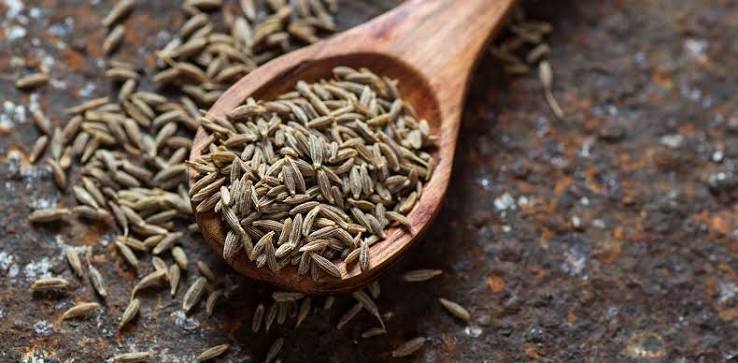
Cumin (Introduction, Benefits, and Usages)
Cumin benefits span digestion, immunity, blood sugar control, and iron supplementation — making this spice one of the most medicinally versatile kitchen herbs available. Cuminum cyminum has been used in Ayurveda, Unani medicine, and traditional cooking across South Asia, the Middle East, and the Mediterranean for over 5,000 years. What makes cumin remarkable is that the same compounds responsible for its distinctive earthy aroma — cuminaldehyde, thymol, and various flavonoids — are the very molecules with documented therapeutic activity. Modern research has consistently validated what traditional medicine observed empirically: cumin genuinely helps digestion, immunity, and metabolic health. See Wikipedia: Cumin. For related digestive spices, explore Fennel Seeds and Coriander.
What Is Cumin? A Complete Introduction
Origin and History of Cumin
Cumin (Cuminum cyminum) originates from the eastern Mediterranean and South Asia — archaeological evidence places it in the eastern Mediterranean and Egypt as early as 2000 BCE, and it was found in ancient Egyptian tombs. It’s one of the most referenced spices in the ancient Indian medical text Charaka Samhita, where it’s called Jiraka (meaning “that which digests”). Cumin spread through trade routes across the ancient world, reaching India, the Middle East, North Africa, and eventually Europe and the Americas. It remains among the world’s most widely used spices today, fundamental to Indian, Mexican, Middle Eastern, and North African cuisines.
Key Compounds and Nutritional Profile
Cuminaldehyde — the primary volatile compound giving cumin its characteristic aroma — has documented antibacterial, antifungal, and hypoglycaemic activity. Thymol (a phenolic terpenoid shared with thyme) has antimicrobial and antispasmodic properties relevant to digestive health. Cymene, limonene, and terpinene contribute to the essential oil’s therapeutic profile. Cumin seeds are exceptionally rich in iron (11.7 mg per 100g — among the highest of any spice), and a significant manganese, magnesium, and calcium source. One teaspoon of cumin provides approximately 1.4 mg iron — meaningful dietary contribution especially for vegetarians. Antioxidant flavonoids include apigenin and luteolin. See Wikipedia: Cuminaldehyde.
Top Health Benefits of Cumin
Cumin Benefits for Immunity and Overall Health
Cumin’s most impressive modern research concerns blood sugar control and type 2 diabetes management. Multiple randomised controlled trials have found supplemental cumin (150–300 mg daily of concentrated cumin extract) significantly reduces fasting blood glucose, HbA1c, and insulin resistance markers — in some trials performing comparably to the anti-diabetic drug glibenclamide for glycaemic control. The mechanism involves cuminaldehyde’s inhibition of alpha-glucosidase (slowing carbohydrate digestion) and improved insulin receptor sensitivity. For iron deficiency anaemia, cumin is a genuinely important dietary source — particularly for vegetarians and pregnant women where iron needs are elevated.
Cumin for Skin, Hair, and Beauty
Cumin’s essential oil has documented antimicrobial activity against common skin pathogens including Staphylococcus aureus, Candida albicans, and various dermatophytes — providing a rationale for traditional uses of cumin paste for skin infections. The antioxidant flavonoids (apigenin, luteolin) protect skin cells from UV-induced oxidative damage. Cumin’s iron content supports haemoglobin production, which is directly relevant to healthy skin colour and glow — iron deficiency commonly manifests as pale, dull complexion. Thymol in cumin promotes hair growth through antimicrobial action on the scalp (reducing dandruff-causing fungi) and stimulation of hair follicle circulation.
Medicinal Properties of Cumin
How Cumin Works as a Natural Remedy
Cumin’s digestive benefits — its most classical and widely observed application — work through multiple mechanisms. The essential oil compounds stimulate the secretion of pancreatic enzymes (lipase, amylase, protease), significantly improving the efficiency of fat, carbohydrate, and protein digestion. Cuminaldehyde stimulates bile production, which is necessary for fat digestion and absorption of fat-soluble vitamins. The antispasmodic thymol reduces intestinal smooth muscle spasm, relieving bloating, cramping, and flatulence. This multi-mechanism digestive action explains why cumin has been used across so many cultures as a universal digestive remedy.
Cumin in Ayurveda and Traditional Medicine
In Ayurveda, cumin (Jiraka) is classified as pungent and bitter in taste, hot in potency, and Tridosha-balancing — relatively rare among spices. It specifically pacifies Vata (reducing gas and bloating), Pitta (in moderate amounts, as it’s milder than most heating spices), and Kapha (its digestive stimulation reduces ama accumulation). Cumin is mentioned extensively in the Charaka Samhita and Sushruta Samhita for digestive disorders, postpartum recovery, and as a Jeevaniya (life-promoting) herb. Post-delivery cumin water (jeera water) is a traditional Ayurvedic practice still widely followed — it helps uterine contraction recovery, milk production, and postpartum digestion. It pairs beautifully with Fennel Seeds and Ginger in digestive formulations.
How to Use Cumin — Practical Usages
Cumin in Food, Tea, and Cooking
Jeera water (cumin water): soak 1 teaspoon of cumin seeds in a glass of water overnight, strain in the morning and drink on an empty stomach — the most common Ayurvedic preparation for digestive health, blood sugar support, and postpartum recovery. Tadka (tempering): heat cumin seeds in ghee or oil until they splutter — this releases and transforms the volatile oils, making cumin’s digestive benefits bioavailable while adding flavour to the food. Add cumin to lentil soups (dal), curries, rice dishes, and roasted vegetables for both flavour and digestive benefit.
Cumin as a Supplement or Topical Application
Concentrated cumin seed oil capsules (150–300 mg daily) are the form used in diabetes research — providing much higher cuminaldehyde concentrations than culinary use alone. For digestive support, roasted cumin powder mixed with yoghurt or buttermilk provides immediate relief for bloating and indigestion. Topical: diluted cumin essential oil (2–3% in carrier oil like coconut) can be applied to skin for mild fungal infections or as a scalp treatment for dandruff. Avoid undiluted application of cumin essential oil — the cuminaldehyde can cause photosensitive skin reactions when applied undiluted.
Side Effects and Precautions of Cumin
- Photosensitivity: cumin essential oil is phototoxic — avoid sun exposure after topical application
- Blood sugar medication: cumin’s hypoglycaemic effect can potentiate antidiabetic drugs — monitor blood sugar carefully if combining
- Pregnancy (high doses): culinary cumin amounts are safe and actually traditional for pregnancy; concentrated cumin supplements should be avoided during pregnancy as high-dose cumin may stimulate uterine contractions
- Bleeding risk: cumin has mild anticoagulant properties — caution with blood-thinning medications
Frequently Asked Questions About Cumin
What are the main cumin benefits for health?
The most evidence-supported cumin benefits are: digestive enzyme stimulation reducing bloating, gas, and indigestion; significant blood sugar reduction (demonstrated in multiple RCTs); iron content combating nutritional anaemia; antimicrobial properties against bacteria and fungi; antioxidant protection from flavonoids; and cholesterol reduction in clinical trials. It’s genuinely one of the most multi-functional medicinal spices in regular kitchen use.
How to drink cumin water and when?
Soak 1 teaspoon of cumin seeds in 1 glass (250 ml) of water overnight. Strain in the morning and drink on an empty stomach before breakfast. This is the classic Ayurvedic jeera water preparation for digestive support, weight management, blood sugar control, and postpartum recovery. You can also boil 1 teaspoon in 2 cups of water for 5 minutes for a more concentrated preparation.
Is cumin good for weight loss?
Yes — randomised trials have found cumin supplementation significantly reduces body weight, BMI, and waist circumference compared to placebo. The mechanisms include blood sugar stabilisation (reducing fat storage), improved digestive efficiency, and possible thermogenic effects of the volatile oils. Jeera water on an empty stomach is the traditional Indian preparation specifically used for weight management — the research supports this traditional application.
Cumin benefits are most accessible through the kitchen — it’s genuinely remarkable that one of the world’s most common cooking spices is simultaneously one of the most medicinally validated herbs in Ayurvedic medicine. Start with jeera water each morning, use cumin liberally in cooking, and if you have specific blood sugar or digestive concerns, consider concentrated cumin supplements with guidance from a healthcare practitioner.

Add comment