
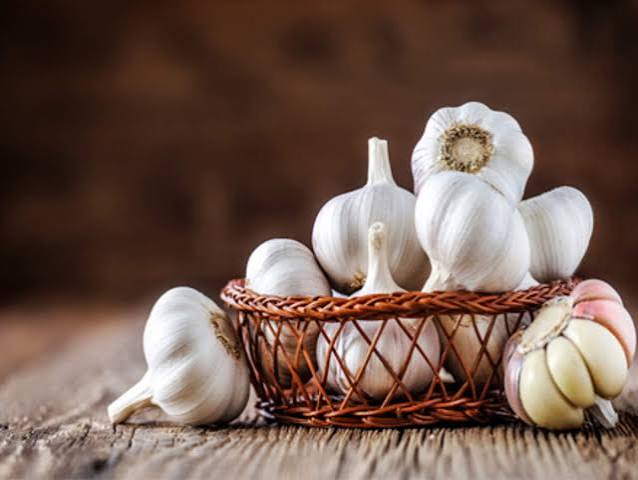
Garlic (Introduction, Benefits, and Usages)
Garlic benefits are among the most comprehensively researched in natural medicine – allicin and related organosulphur compounds in Allium sativum have documented cardiovascular, antimicrobial, anti-cancer, immune-boosting, and anti-inflammatory effects backed by thousands of peer-reviewed studies. Ayurveda recognised garlic’s medicinal power thousands of years ago – calling it Lasuna or Rasona and attributing to it nearly miraculous properties that modern pharmacology has progressively validated. What makes garlic unique is that its most active compound, allicin, doesn’t exist in the intact clove – it’s formed enzymatically when garlic is crushed or chopped. See Wikipedia: Garlic. For related cardiovascular herbs, explore Ginger and Turmeric.
What Is Garlic? A Complete Introduction
Origin and History of Garlic
Garlic (Allium sativum) is one of the oldest cultivated plants with evidence of use dating back 7,000 years in Central Asia. It spread across the ancient world – found in Egyptian pharaohs’ tombs, mentioned in Sumerian cuneiform tablets, prescribed in ancient Chinese medicine, and described in virtually every ancient medical text. Greek athletes were given garlic before Olympic events. In India, Ayurvedic texts describe garlic as Rasayana (rejuvenating), Hridya (cardiac tonic), and Balya (strength-giving) – among the highest accolades in Ayurvedic pharmacology. Today garlic is one of the world’s most consumed medicinal foods and nutritional supplements.
Key Compounds and Nutritional Profile
Allicin (diallyl thiosulphinate) – formed when alliin is converted by alliinase enzyme upon crushing or cutting garlic – is the primary active compound responsible for garlic’s distinctive aroma and most of its therapeutic activity. Allicin is unstable and quickly converts to other organosulphur compounds (diallyl disulphide, diallyl trisulphide, ajoene, allyl mercaptan) with their own distinct pharmacological activities. Aged garlic extract contains S-allylcysteine (SAC) – more stable, better-absorbed, and odourless derivatives with documented cardiovascular and neuroprotective benefits. Garlic also provides selenium, manganese, vitamin B6, and vitamin C. See Wikipedia: Allicin.
Top Health Benefits of Garlic
Garlic Benefits for Cardiovascular Health
Garlic’s cardiovascular benefits are its most extensively studied. A meta-analysis of 39 randomised trials found garlic supplementation significantly reduces total cholesterol (by 10-15 mg/dL), LDL cholesterol, and triglycerides, while mildly increasing HDL. For blood pressure, multiple meta-analyses confirm garlic supplements reduce systolic blood pressure by 5-8 mmHg and diastolic by 3-5 mmHg – clinically meaningful reductions comparable to first-line antihypertensive drugs for mild hypertension. Anti-platelet and anti-clotting effects through ajoene and allicin reduce blood clot formation risk. The cumulative cardiovascular benefit makes garlic one of the most comprehensive natural cardiovascular protectants available.
Garlic for Skin, Hair, and Beauty
Garlic’s antimicrobial properties extend powerfully to skin. Allicin has documented activity against MRSA (methicillin-resistant Staphylococcus aureus), Candida, dermatophytes (ringworm, athlete’s foot), and the acne bacterium Cutibacterium acnes. Research has found garlic oil applied to areas of alopecia areata (patchy hair loss) promotes hair regrowth through immunomodulatory and anti-inflammatory effects. The selenium in garlic provides antioxidant protection to hair follicles and supports the selenoproteins important for hair growth and structure.
Medicinal Properties of Garlic
How Garlic Works as a Natural Remedy
Garlic’s antimicrobial mechanism is multi-modal and resistance-resistant: allicin physically disrupts bacterial cell membranes, inhibits bacterial RNA synthesis, and interferes with lipid synthesis in bacterial cell walls. Because allicin attacks multiple bacterial systems simultaneously, bacterial resistance development is much slower than with single-target antibiotics. Ajoene specifically inhibits platelet aggregation by blocking platelet integrin GPIIb/IIIa receptors – the same receptor targeted by powerful antiplatelet drugs like abciximab. The HMG-CoA reductase inhibiting activity (similar to statins, though much weaker) explains the lipid-lowering effects.
Garlic in Ayurveda and Traditional Medicine
In Ayurveda, garlic (Lasuna/Rasona) is classified as one of the most powerful Rasayana herbs – pungent in all five stages of digestion (unusual in Ayurvedic pharmacology), heating, unctuous, and strongly Vata-Kapha reducing. The Charaka Samhita devotes an entire chapter to garlic’s therapeutic properties. Ayurvedic indications include Hridroga (heart disease), Kasa (cough), Shotha (oedema/inflammation), Krimiroga (parasitic infections), and as a general Balya and Rasayana medicine. Classical preparations Lasunadi Vati and Lahsun Rasayan use garlic as their primary ingredient for cardiovascular and joint health. Pairs with Ginger for respiratory and digestive support.
How to Use Garlic – Practical Usages
Garlic in Food and Cooking
Crush or mince garlic and let it rest for 10 minutes before cooking – this allows the alliinase enzyme to complete allicin conversion, which is then more heat-stable than the enzyme itself. Raw garlic provides maximum allicin – eat 1-2 raw cloves daily (minced, in salad dressing, or with honey) for maximum therapeutic effect. Cooking garlic reduces allicin content but retains ajoene, diallyl disulphide, and other heat-stable compounds with cardiovascular benefits. Use liberally in cooking – the Mediterranean dietary pattern’s heavy garlic use contributes significantly to its cardiovascular benefits.
Garlic as a Supplement or Topical Application
Aged garlic extract (AGE) supplements (600-1200 mg daily) provide standardised S-allylcysteine – the most bioavailable, odourless, and clinically studied form for cardiovascular and immune applications. Allicin-standardised supplements (at least 1.3% alliin) are the form used in most blood pressure research. For topical skin applications: crush a raw garlic clove, let it sit for 10 minutes (allowing allicin formation), then apply the juice diluted in carrier oil (1:5 garlic:carrier) to fungal skin infections, acne spots, or cold sores. Never apply undiluted garlic to skin for extended periods – it can cause chemical burns from allicin’s reactive thiosulphinate chemistry.
Side Effects and Precautions of Garlic
- Anticoagulant effects: garlic has significant antiplatelet activity – stop high-dose supplementation 2 weeks before surgery; significant interaction risk with warfarin and antiplatelet drugs
- GERD and gastritis: raw garlic can irritate the oesophagus and gastric mucosa in sensitive individuals – consume with food if experiencing gastric discomfort
- Drug interactions: garlic inhibits CYP3A4 and CYP2C19 enzymes – may reduce blood levels of saquinavir, cyclosporine, and certain other drugs; discuss with physician if on immunosuppressants
- Odour: the distinctive garlic breath from allyl methyl sulphide – parsley and fresh mint can reduce it modestly
Frequently Asked Questions About Garlic
What are the main garlic benefits for health?
Key garlic benefits: cardiovascular protection through cholesterol reduction, blood pressure reduction, and antiplatelet effects; broad-spectrum antimicrobial activity against bacteria (including MRSA), fungi, viruses, and parasites; immune enhancement through macrophage and NK cell activation; cancer prevention through multiple mechanisms including NF-kB inhibition; anti-inflammatory action; heavy metal detoxification through organosulphur chelation; and blood sugar reduction in diabetics.
How much garlic should I eat per day?
For general health benefits: 1-2 raw or cooked garlic cloves (2-4g) daily. For specific therapeutic applications (blood pressure, cholesterol): studies typically use 600-1200 mg aged garlic extract or 2-4 cloves of raw garlic daily. Crush the cloves and wait 10 minutes before consuming or cooking – this maximises allicin formation. Even moderate daily garlic consumption (1 clove per day) provides meaningful cardiovascular and immune benefits.
Is raw garlic better than cooked garlic?
For allicin specifically, raw garlic is superior because the alliinase enzyme that produces allicin is heat-inactivated above 60 degrees Celsius. However, cooking garlic at moderate temperatures produces other beneficial organosulphur compounds (ajoene, vinyl dithiins, diallyl disulphide) with their own health benefits. The practical recommendation: crush raw garlic and wait 10 minutes to maximise allicin formation, then use as desired – some raw, some cooked. Aged black garlic provides different compounds (S-allylcysteine) with better bioavailability and no odour.
Garlic benefits are immediate, accessible, and backed by some of the most consistent research in natural medicine. This is the rare case where your grandmother’s advice (“eat more garlic”) and 5,000 years of cross-cultural traditional medicine are fully validated by modern clinical research. Eat it daily – raw when possible, cooked when not – and consider aged garlic extract supplements for consistent therapeutic dosing without the social side effects.
Add comment