
Jatamansi (Introduction, Benefits, and Usages)
Jatamansi benefits for neurological health, sleep, and mental calm make it one of Ayurveda’s most important brain tonics — Nardostachys jatamansi (Spikenard, Muskroot) has been used for over 3,000 years for anxiety, insomnia, epilepsy, and cognitive support. Modern pharmacological research has confirmed its sedative, anticonvulsant, neuroprotective, and antioxidant properties, validating the classical Ayurvedic applications. See Wikipedia: Nardostachys jatamansi. For related nervine herbs, explore Brahmi and Ashwagandha.
What Is Jatamansi? A Complete Introduction
Origin and History of Jatamansi
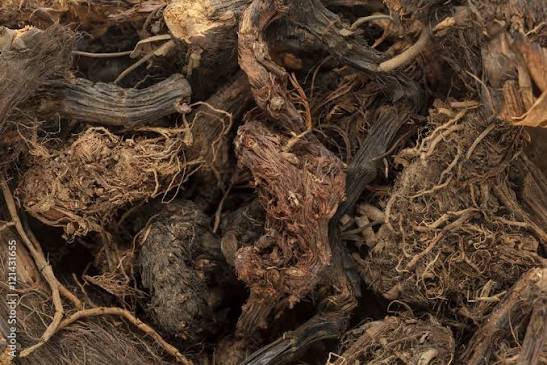
Jatamansi (Nardostachys jatamansi, family Caprifoliaceae) is a small aromatic rhizomatous herb native to the Himalayan alpine meadows — found at altitudes of 3,000–5,000 metres in India (Himachal Pradesh, Uttarakhand, Sikkim), Nepal, Tibet, and Bhutan. The name Jatamansi comes from Sanskrit “jata” (dreadlocks — referring to the matted rhizome) and “mansi” (human — perhaps referring to its humanising, calming properties on the mind). The rhizome (root system) is the medicinal part, dried and used as powder, oil, or decoction. Jatamansi appears in the earliest Ayurvedic texts as Tagarah — a primary brain and nervous system medicine. The same plant is known in ancient Western literature as “Spikenard” or “Nard” — the expensive aromatic ointment mentioned in the Bible (Mark 14:3), used by Mary Magdalene to anoint Jesus. Medieval Arab physicians Al-Kindi and Avicenna used Spikenard extensively for neurological conditions.
Key Compounds in Jatamansi
Jatamansi’s medicinal properties come from its rhizome’s diverse sesquiterpene and iridoid content. Primary active compounds include: Jatamansone (valeranone) — the major sesquiterpene ketone with sedative, anticonvulsant, and central nervous system depressant activity; Nardin — a sesquiterpene with anxiolytic properties; Nardosinone — neuroactive compound; Jatamansin — a coumarin with antioxidant activity; Beta-sitosterol, oleanic acid — anti-inflammatory compounds; Actinidine — pyridine alkaloid; Isovaleric acid — contributes to the earthy, musk-like fragrance. Jatamansone’s central sedative activity has been confirmed to increase GABA levels in the brain — the same mechanism as benzodiazepines, but through a natural compound and at a gentler intensity. See Wikipedia: Spikenard.
Top Health Benefits of Jatamansi
Jatamansi Benefits for Nervous System and Overall Health
Jatamansi benefits for brain and nervous system health are its defining application. Animal studies consistently confirm that Jatamansi rhizome extract and jatamansone reduce anxiety (comparable to diazepam in forced swim and open field tests), improve sleep duration, exhibit anticonvulsant activity against chemically induced seizures, and provide neuroprotection against oxidative stress. Human pilot studies show Jatamansi supplementation reduces anxiety scores and improves sleep quality. For memory and cognition: animal studies show Jatamansi improves learning and memory retention in maze tests, attributed to its antioxidant protection of hippocampal neurons and its acetylcholinesterase inhibitory activity — the same mechanism as acetylcholinesterase inhibitor drugs used in Alzheimer’s disease. The neuroprotective antioxidant properties may delay neurodegeneration.
Jatamansi for Hair Growth, Skin, and Liver
Jatamansi is one of Ayurveda’s most celebrated herbs for hair health — the rhizome oil has traditionally been used for premature greying, hair loss, and scalp health. Research confirms Jatamansi extract promotes hair follicle proliferation and extends the anagen (growth) phase — significantly stimulating hair growth in animal models. The antioxidant protection in the scalp reduces free radical damage that drives premature greying. For liver health: Jatamansi has documented hepatoprotective activity — its antioxidant compounds (jatamansin, beta-sitosterol) protect liver cells from oxidative damage and reduce liver enzyme elevation in animal toxicity models. For skin: Jatamansi oil has antimicrobial properties and is used in Ayurvedic skin formulations for dermatitis, psoriasis, and skin pigmentation.
Medicinal Properties of Jatamansi
How Jatamansi Works as a Natural Remedy
The neurological mechanism: jatamansone increases brain GABA levels by inhibiting GABA transaminase (the enzyme that breaks down GABA) — elevating brain GABA produces sedation, anxiety reduction, and anticonvulsant effects. This is a different point of action from benzodiazepines (which potentiate GABA receptor sensitivity) but produces similar net effects on GABA signalling. Jatamansi also exhibits monoamine oxidase (MAO) inhibitory activity — increasing brain serotonin and dopamine levels, providing antidepressant effects. The hair growth mechanism: specific compounds in Jatamansi stimulate Wnt/beta-catenin signalling in hair follicle stem cells — the same pathway that drives anagen (growth phase) initiation. The hepatoprotective mechanism: jatamansin and other antioxidants quench reactive oxygen species in liver cells and reduce lipid peroxidation.
Jatamansi in Ayurveda and Traditional Medicine
In Ayurveda, Jatamansi (also called Tagarah, Balaka, Bhutajata) is classified as a Medhya Rasayana — a brain and intelligence-enhancing rejuvenative tonic — alongside Brahmi, Shankhpushpi, and Ashwagandha. It balances all three Doshas but is particularly Vata-reducing and Pitta-reducing. Classical indications include Unmada (psychosis, mental disorders), Apasmara (epilepsy), Nidranasha (insomnia), Shirashula (headache), Bhrama (giddiness/vertigo), and Smritibhransha (memory impairment). Classical Ayurvedic formulations containing Jatamansi include Saraswatarishta, Brahmi Ghrita, and various Medhya Rasayana preparations. It’s also used in Shirodhara oil treatments for neurological and psychiatric conditions — applied to the forehead in a continuous stream to directly access the olfactory-brain pathway. Compare with Brahmi for cognitive enhancement; Jatamansi adds stronger sedative and anxiolytic action that Brahmi lacks.
How to Use Jatamansi — Practical Usages
Jatamansi Powder, Tea, and Shirodhara
Jatamansi powder for sleep and anxiety: 1–3g (approximately ¼–½ teaspoon) of Jatamansi root powder with warm milk or warm water 30–60 minutes before bedtime. Warm milk with Jatamansi and a pinch of nutmeg is a classical Ayurvedic sleep formula. For anxiety: 1–2g twice daily with warm water or honey for ongoing anxiety management. For hair: Jatamansi rhizome oil (commercially prepared or made by infusing powdered rhizome in sesame oil) massaged into scalp 30–60 minutes before washing — promotes hair growth and reduces greying. As decoction: boil 5g Jatamansi powder in 200ml water for 10 minutes; strain and drink 50–100ml twice daily for neurological conditions under physician guidance.
Jatamansi as a Supplement
Jatamansi supplements are available as capsules, tablets, and oils from major Ayurvedic manufacturers including Himalaya, Dabur, and Baidyanath. Standard supplement doses range from 250–500mg of standardised extract (equivalent to 1–2g of root powder) twice daily. Important conservation note: Jatamansi (Nardostachys jatamansi) is a Schedule I protected species in India due to overharvesting for trade — buy only from suppliers who source from licensed cultivation projects, not wild-harvested plants. Sustainable sourcing matters both ecologically and for supply chain security. The species is listed as Vulnerable on the IUCN Red List.
Side Effects and Precautions of Jatamansi
- Sedation: Jatamansi has genuine CNS-depressant activity — do not drive or operate machinery after taking medicinal doses; avoid alcohol and sedative medications concurrently
- Pregnancy and breastfeeding: avoid during pregnancy — uterine-stimulating effects have been documented; insufficient safety data for breastfeeding
- Drug interactions: the MAO inhibitory activity may interact with antidepressants (SSRIs, SNRIs, MAOIs) — use under physician guidance if on psychiatric medications
- Long-term use: use under qualified Ayurvedic physician guidance for chronic conditions — long-term self-medication with CNS-active herbs requires monitoring
Frequently Asked Questions About Jatamansi
What are the main Jatamansi benefits for health?
Key Jatamansi benefits: anxiolytic and sedative action through GABA elevation and MAO inhibition, improved sleep onset and quality, anticonvulsant activity for epilepsy support (under physician guidance), neuroprotection and memory improvement through antioxidant and acetylcholinesterase inhibitory activity, hair follicle stimulation for hair growth and anti-greying, hepatoprotective antioxidant action, headache and vertigo relief, and Medhya Rasayana cognitive tonic function in Ayurveda.
Is Jatamansi good for sleep?
Yes — Jatamansi is one of Ayurveda’s primary sleep medicines, and the pharmacology supports this. Jatamansone elevates brain GABA levels (the primary inhibitory neurotransmitter promoting sleep) and the isovaleric acid component has valerian-like sedative properties. Animal studies confirm prolonged sleep duration and reduced sleep onset time. For primary insomnia, Jatamansi with warm milk at bedtime is effective and non-habit-forming — unlike benzodiazepine sleep aids. Combine with Ashwagandha for anxiety-driven insomnia or with Shankhpushpi for stress-related sleep disruption. Allow 2–4 weeks of consistent use to establish full benefits.
How is Jatamansi different from Valerian?
Both Jatamansi and Valerian (Valeriana officinalis) are sedative nervine herbs in their respective traditions with overlapping mechanisms — both contain sesquiterpene compounds (valeranone in Jatamansi, valerenic acid in Valerian) that increase GABA activity. Key differences: Jatamansi also has MAO inhibitory antidepressant activity and cognitive neuroprotective properties that Valerian lacks; Jatamansi is considered more refined and suitable for daytime use at lower doses where Valerian is more exclusively a sleep herb; and Jatamansi has the additional hair growth and hepatoprotective applications from its different compound profile. Both are effective sedatives — choice between them depends on the full symptom picture and any concurrent antidepressant medications (important for the MAO interaction with Jatamansi).
Can Jatamansi help with hair growth?
Research evidence supports Jatamansi for hair growth. Studies show Jatamansi extract activates Wnt/beta-catenin signalling in hair follicle stem cells, which drives anagen (hair growth phase) initiation and prolongation. In comparative animal studies, Jatamansi oil showed hair growth promotion comparable to Minoxidil 2% at equivalent doses. The antioxidant compounds protect melanocytes (pigment cells) from oxidative damage that causes premature greying. For best results, use Jatamansi oil as a scalp treatment 2–3 times weekly — massage well into the scalp, leave for at least 30 minutes, then wash. Consistent use over 3–6 months is required to see meaningful hair density and greying changes.
Jatamansi benefits cover some of the most pressing modern health concerns — anxiety, insomnia, cognitive decline, and hair health — through a single ancient Himalayan herb with a solid pharmacological foundation. Use it as Ayurveda intended: warm powder with milk at night for sleep and calm, Jatamansi oil on the scalp for hair, and Medhya Rasayana formulations for long-term cognitive health. Source sustainably, use with appropriate guidance for neurological conditions, and enjoy one of Ayurveda’s most gentle and genuinely effective brain medicines.
Add comment