
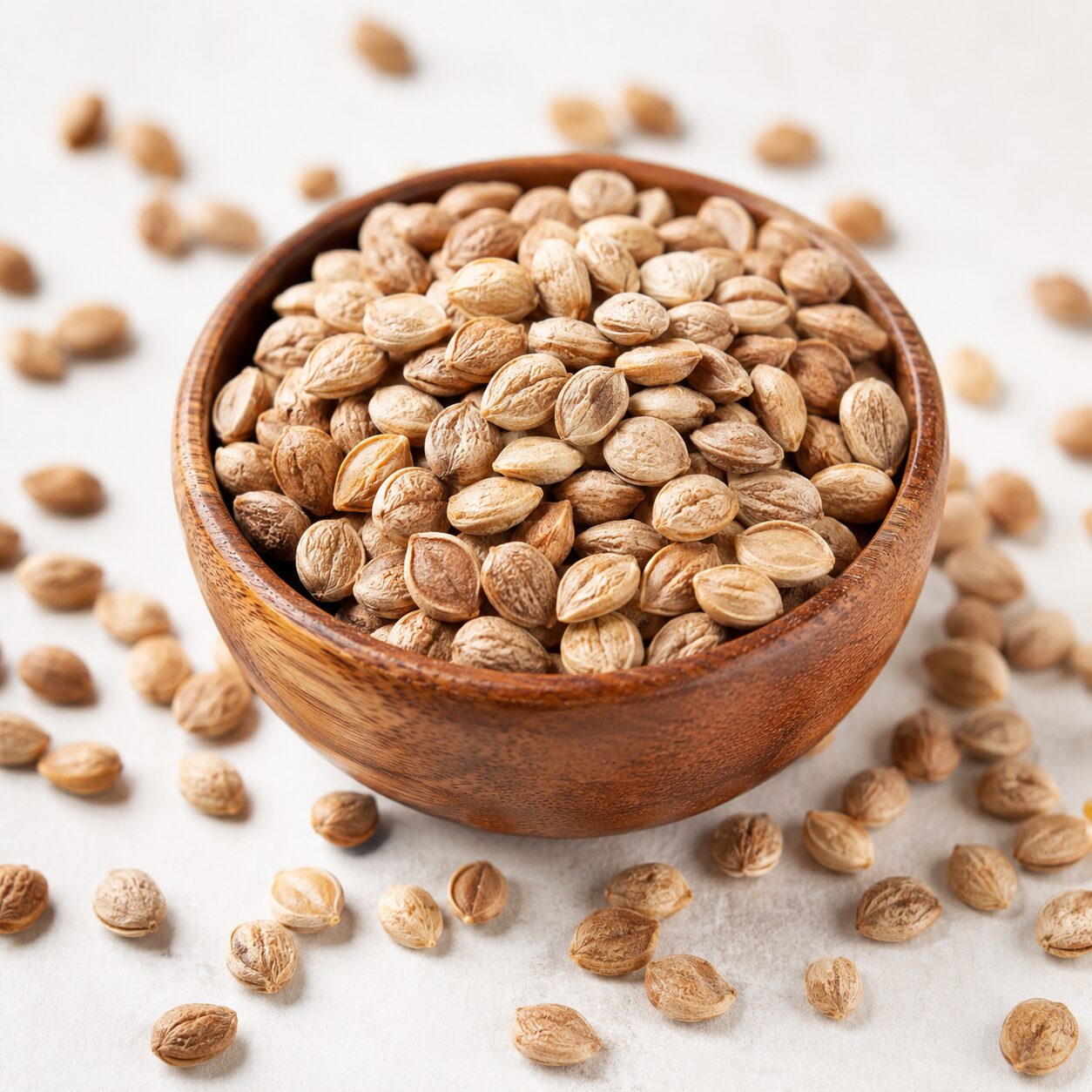
Chironji (Introduction, Benefits, and Usages)
Chironji benefits are quietly embedded in Indian culinary and medicinal tradition — this small seed from Buchanania lanzan has been used in Ayurveda as a skin healer, nutritive tonic, and Vata-Pitta balancing herb for centuries, while simultaneously serving as a delicacy in Indian sweets and rice preparations. Also called charoli, Chironji is one of those plants where the line between food and medicine is entirely blurred — and that’s precisely where its therapeutic value lies. See Wikipedia: Buchanania lanzan. For related nutritive seeds, explore Cashew Nut and Cardamom.
What Is Chironji? A Complete Introduction
Origin and History of Chironji
The Chironji tree (Buchanania lanzan) grows across the dry and deciduous forests of central and peninsular India — particularly in Rajasthan, Madhya Pradesh, Chhattisgarh, Jharkhand, and Andhra Pradesh. A medium to large tree that fruits once a year, it produces small purple-black fruits, within which sits the single seed — the Chironji used in cooking and medicine. The tree is ecologically important in its native forest ecosystem and economically significant for forest-dwelling communities who harvest and sell the seeds.
In Ayurvedic texts, Chironji is called Priyal or Priyala — a herb classified as sweet, cooling, nourishing, and Vata-Pitta reducing. It has a long history as both a nutritive food for convalescence and as a specific remedy for skin conditions, respiratory complaints, and as an aphrodisiac tonic.
Key Compounds and Nutritional Profile
Chironji seeds are nutritionally dense: approximately 21–29% protein (with a balanced amino acid profile), 37–59% fat (predominantly oleic and linoleic fatty acids — the same heart-healthy fats in olive oil and sunflower oil), calcium, phosphorus, iron, zinc, and B vitamins. The oil expressed from Chironji seeds (Priyal oil) is used medicinally in both internal and external preparations. The bark and leaves contain tannins with astringent and antimicrobial properties.
Top Health Benefits of Chironji
Chironji Benefits for Immunity and Overall Health
The zinc content of Chironji seeds directly supports immune function — zinc is essential for immune cell development, wound healing, and inflammatory response regulation. The oleic and linoleic fatty acids provide anti-inflammatory effects through prostaglandin modulation, reducing chronic systemic inflammation that impairs immunity. Chironji’s Balya (strength-building) and Brinhana (nourishing) properties in Ayurveda reflect its genuine capacity to support recovery from illness, rebuild depleted tissues, and restore vitality in people weakened by chronic disease, overwork, or inadequate nutrition.
Chironji for Skin, Hair, and Beauty
Chironji’s most celebrated traditional application is for skin health. The pressed oil (Priyal oil) provides deep moisturisation, soothes dry and irritated skin, reduces acne inflammation through its linoleic acid content (deficiency of which is associated with acne), and has antimicrobial activity against common skin pathogens. Traditional Ayurvedic face packs use ground Chironji seeds mixed with raw milk or rose water — a simple, effective exfoliating and moisturising treatment.
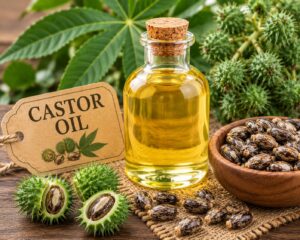
Hair oiling with Chironji oil nourishes dry, brittle hair and addresses scalp inflammation. The combination of zinc and essential fatty acids supports the hair follicle health needed for strong, healthy hair growth. See Castor Oil for complementary hair oil support.
Medicinal Properties of Chironji
How Chironji Works as a Natural Remedy
Chironji’s cooling, Pitta-reducing nature makes it effective for heat-related conditions — burning sensations, excessive thirst, inflammatory skin conditions, and Pitta-type respiratory irritation with dry, burning cough. The high fat content provides a soothing, coating effect on inflamed mucous membranes in the respiratory and digestive tracts. Research has confirmed antimicrobial activity of Chironji bark extract against common bacteria, supporting its traditional use for infections.
As an aphrodisiac (Vajikarna), Chironji’s high zinc supports sperm production and testosterone metabolism; its oleic acid provides building blocks for sex hormone synthesis; and its overall nutritive action supports the reproductive tissues (Shukra dhatu in Ayurvedic terms) that require adequate nourishment for optimal function.
Chironji in Ayurveda and Traditional Medicine
Classical Ayurvedic texts including Charaka Samhita classify Chironji (Priyal/Priyala) as Madhura (sweet), Sheeta (cooling), Snigdha (unctuous/oily) — with Balya, Brinhana, Vajikarna, and Shwasa-Kasahara (respiratory) properties. It’s recommended for Daha (burning sensations), Trishna (excessive thirst), Shwasa (breathlessness), and Shosha (wasting/emaciation). The combination of nourishment, cooling, and respiratory support makes it valuable for convalescent care — particularly after febrile illness when the body needs both cooling and rebuilding simultaneously. See Wikipedia: Buchanania.
How to Use Chironji — Practical Usages
Chironji in Food, Tea, and Cooking
Add whole or lightly crushed Chironji seeds to kheer (rice pudding), halwa, seviyan (vermicelli dessert), biryani, and curries. Soaking Chironji in water or milk for 2–4 hours before use improves digestibility and makes the seeds softer and more palatable. For an Ayurvedic tonic preparation, soak 15–20 seeds overnight in warm milk, blend smooth, and drink in the morning as a nourishing breakfast alternative during recovery or cold seasons.
Chironji as a Supplement or Topical Application
Skin paste: grind 10–15 Chironji seeds to a fine paste with raw milk or rose water; apply to the face as a pack, leave for 20–30 minutes, and rinse with cool water. Do 2–3 times weekly for moisturisation, acne, and brightening effects. Oil: apply Chironji (Priyal) oil to dry skin patches, cracked heels, or the scalp as you would any nourishing oil. Powder: 3–6 grams of Chironji powder in warm milk twice daily as an internal nutritive tonic.
Side Effects and Precautions of Chironji
- Kapha aggravation: Chironji’s heavy, oily nature may aggravate Kapha — people with Kapha constitution or conditions (obesity, congestion, sluggish digestion) should use in moderation and combine with warming digestive spices
- Calorie density: high fat content means significant calories — relevant for weight management
- Allergy: belongs to the Anacardiaceae family (same as cashew and mango) — potential cross-reactivity in people with these allergies
- Freshness: the high oil content means Chironji goes rancid quickly — buy small quantities and store in an airtight container away from heat and light
Frequently Asked Questions About Chironji
What are the main Chironji benefits for health?
The most significant Chironji benefits are skin healing and moisturisation (topical oil and paste), nutritive strength building for debility and convalescence, respiratory soothing for Pitta-type cough and breathlessness, aphrodisiac support for reproductive health (zinc and essential fatty acids), and antimicrobial action from the bark compounds.
Is Chironji the same as charoli?
Yes — Chironji and charoli are different regional names for the same seed from Buchanania lanzan. “Charoli” is more commonly used in Maharashtra and western India; “Chironji” in Hindi-speaking central and northern India. Both names refer to the same small, round, lentil-sized seeds used in cooking and medicine.
How to use Chironji for skin care?
Grind Chironji seeds with enough raw milk to form a smooth paste; apply to clean face, avoiding the eye area; leave for 20–30 minutes; rinse with cool water. This simple pack exfoliates gently, moisturises deeply, and has mild antimicrobial and brightening effects. Consistent use 2–3 times weekly shows noticeable improvement in skin texture and hydration within 3–4 weeks.
What is Chironji used for in Ayurveda?
In Ayurveda, Chironji (Priyal) is used for burning sensations (Daha), excessive thirst, respiratory conditions with dry burning quality (Shwasa), wasting and debility (Shosha), and as a Vajikarna (aphrodisiac/reproductive tonic). Its cooling, nourishing, Pitta-Vata reducing properties make it suitable for conditions involving heat, dryness, and tissue depletion.
Chironji benefits are best experienced through consistent use in food and as a topical skin treatment. It’s not a dramatic intervention herb — it’s a gentle, nourishing food-medicine that builds results gradually. Add it to milk tonics and sweet preparations for internal nutrition, apply the paste regularly for skin care, and consider the oil as a natural moisturiser for dry skin and scalp. Simple, safe, and genuinely effective in its traditional applications.

Add comment