
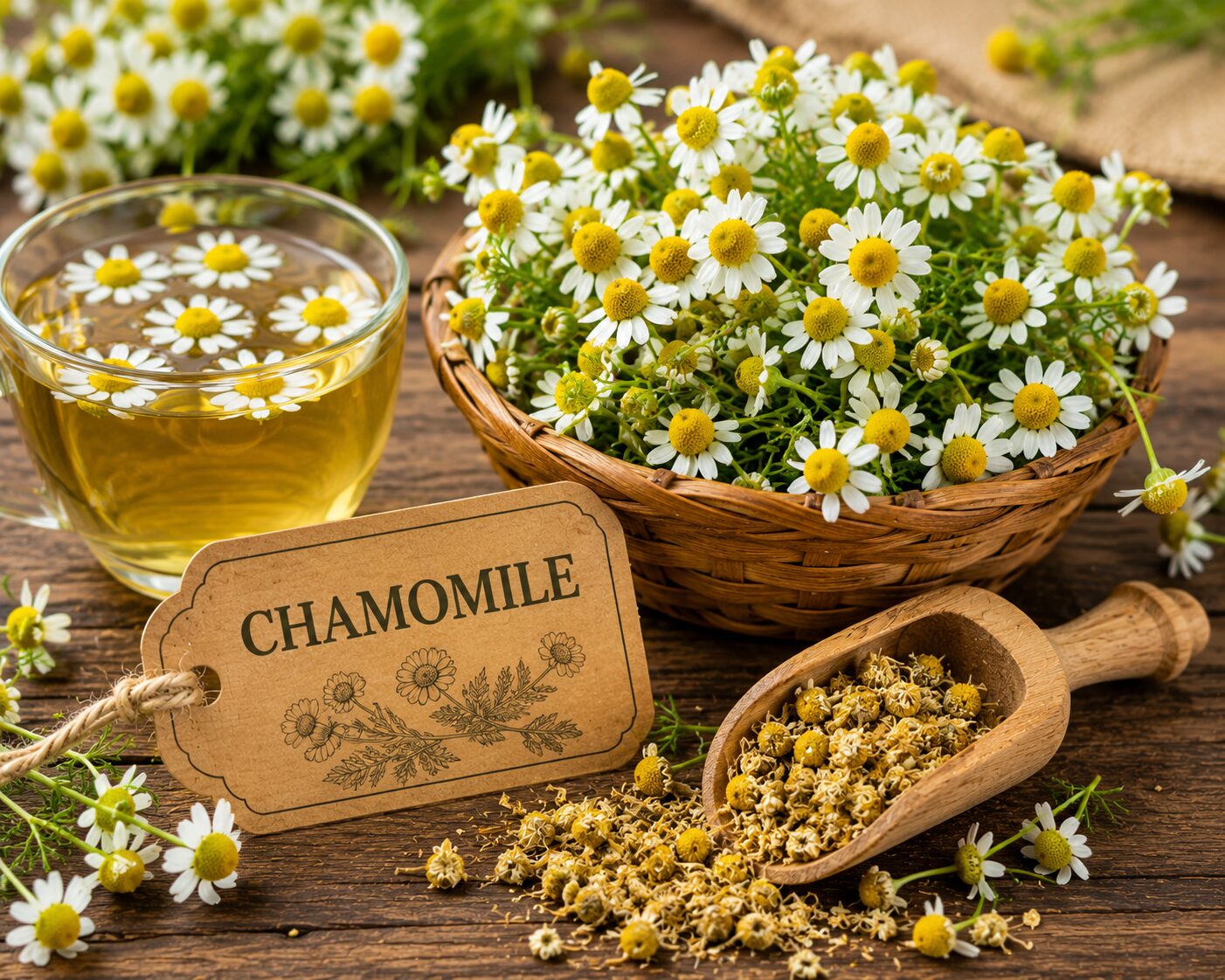
Chamomile (Introduction, Benefits, and Usages)
Chamomile benefits have stood the test of time across more than 5,000 years of use in Egypt, Greece, Rome, and Northern Europe — and modern clinical research is now explaining exactly why. This small daisy-like flower contains compounds that genuinely calm the nervous system, reduce inflammation, accelerate wound healing, and improve digestion through well-understood pharmacological mechanisms. If you’ve been dismissing chamomile as “just a sleep tea,” you’re missing most of the story. See Wikipedia: Chamomile. For related calming herbs, explore Ashwagandha and Brahmi.
What Is Chamomile? A Complete Introduction
Origin and History of Chamomile
Two species dominate medicinal chamomile: German chamomile (Matricaria chamomilla) and Roman chamomile (Chamaemelum nobile). German chamomile is the more commonly studied and used — particularly for its essential oil, which turns deep blue during distillation due to the formation of chamazulene. Native to Europe and western Asia, chamomile spread globally through trade and colonisation and is now cultivated on every inhabited continent.
Ancient Egyptians dedicated chamomile to their sun god Ra and used it for fevers and skin conditions. Romans used it in incense, medicine, and beverages. In medieval European herbalism, chamomile (one of the Nine Sacred Herbs in Anglo-Saxon tradition) was considered a universal remedy. Today it remains one of the world’s most consumed medicinal teas.
Key Compounds and Nutritional Profile
Apigenin is chamomile’s most pharmacologically significant compound — a flavonoid that binds to GABA-A receptors in the brain (the same receptors targeted by benzodiazepine drugs), explaining chamomile’s well-documented sedative and anxiolytic effects. Chamazulene (formed in the essential oil) and alpha-bisabolol provide the anti-inflammatory and wound-healing properties. The dried flowers also contain other flavonoids (luteolin, quercetin), coumarins, mucilage, and caffeic acid derivatives.
Top Health Benefits of Chamomile
Chamomile Benefits for Immunity and Overall Health
Chamomile’s flavonoids provide significant antioxidant and anti-inflammatory protection. Research shows chamomile extract reduces CRP (C-reactive protein) and other inflammatory markers. The antimicrobial activity of chamazulene and other volatile compounds is active against Staphylococcus aureus, Streptococcus mutans, and Candida albicans. Blood sugar support is a clinically documented benefit — a randomised controlled trial found daily chamomile tea significantly reduced HbA1c and oxidative stress in type 2 diabetic patients after 8 weeks.
Chamomile for Skin, Hair, and Beauty
Chamomile’s anti-inflammatory, antioxidant, and wound-healing compounds make it one of the most effective natural skin care ingredients available. Alpha-bisabolol accelerates wound healing — some studies show up to 50% faster healing compared to control. Chamazulene reduces skin redness, soothes eczema, and calms rosacea-type inflammation. The mild natural bleaching effect of chamomile (azulene compounds) gives it a skin-brightening reputation in traditional beauty preparations.
Chamomile tea rinses are used traditionally to brighten and add shine to light-coloured hair — the flavonoids interact with hair proteins and are mildly lightening. For skin, chamomile cream is one of Europe’s most widely used over-the-counter anti-inflammatory dermatological preparations.
Medicinal Properties of Chamomile
How Chamomile Works as a Natural Remedy
Chamomile’s sleep and anxiety benefits work through apigenin’s binding to GABA-A receptors — the same mechanism as benzodiazepines like diazepam, but far milder and without dependency risk. A randomised controlled trial found chamomile extract (220 mg twice daily) significantly improved sleep quality scores and reduced insomnia severity over 28 days compared to placebo. Another trial showed significant generalised anxiety disorder symptom reduction.
For digestion, chamomile’s antispasmodic (smooth muscle relaxing) action relieves intestinal cramping; its anti-inflammatory properties soothe the gut lining; and its mild bitter compounds stimulate digestive secretion. This triple action addresses the most common digestive complaints — IBS-type cramping, gastritis, and indigestion — through complementary mechanisms. See Wikipedia: Apigenin.
Chamomile in Ayurveda and Traditional Medicine
Chamomile isn’t a classical Ayurvedic herb (it’s native to Europe), but it’s been integrated into Indian herbal practice and is compatible with Ayurvedic principles — classified as cooling, sweet, and bitter, with Pitta and Vata-reducing properties. Its calming and anti-inflammatory action aligns with Ayurvedic approaches to Pitta-type insomnia, skin inflammation, and digestive hyperacidity.
In European traditional medicine, chamomile (Kamille) has been Germany’s most important medicinal plant for centuries — approved by Germany’s Commission E for gastrointestinal spasm, inflammatory conditions of the skin, and as a general anti-inflammatory. This is formal regulatory recognition of chamomile’s efficacy in a major European medical system.
How to Use Chamomile — Practical Usages
Chamomile in Food, Tea, and Cooking
Chamomile tea: steep 1–2 teaspoons of dried flowers (or 2 tea bags) in 200 ml just-boiled water for 10 minutes, covered. Drink 30–45 minutes before bed for sleep; after meals for digestion. The cover is important — volatile oils that provide much of the benefit escape with steam if left uncovered during steeping.
Chamomile also works well as an iced tea, infused into honey, or used in cooking — particularly in pastry and dessert applications where its mild apple-like flavour pairs with citrus and vanilla. Chamomile-infused ghee is a traditional anti-inflammatory topical preparation.
Chamomile as a Supplement or Topical Application
Standardised chamomile extract (1.2% apigenin): 220–400 mg twice daily for anxiety and sleep. Chamomile essential oil: add 3–5 drops to a diffuser for aromatherapy; dilute to 1–2% in a carrier oil for topical anti-inflammatory use on skin. Chamomile cream: apply directly to eczema, rashes, or inflamed skin — one of the best-evidenced natural topical anti-inflammatories available.
For wound healing, a compress soaked in strong cooled chamomile tea applied to cuts, minor burns, or skin infections is a simple, effective home remedy with documented clinical support.
Side Effects and Precautions of Chamomile
- Ragweed allergy: chamomile belongs to the Asteraceae family — people with ragweed allergy may experience allergic reactions including contact dermatitis or anaphylaxis (rare but documented)
- Blood thinners: chamomile contains coumarins that may mildly potentiate anticoagulants — monitor if on warfarin
- Sedative medications: chamomile may enhance sedation when combined with sleep medications or alcohol — use caution
- Pregnancy: chamomile tea in normal amounts is generally considered safe; medicinal-dose supplements should be avoided
Frequently Asked Questions About Chamomile
What are the main chamomile benefits for health?
The most documented chamomile benefits are sleep improvement and anxiety reduction (apigenin binding to GABA-A receptors), digestive antispasmodic and anti-inflammatory effects, wound healing acceleration (alpha-bisabolol), skin inflammation reduction (chamazulene), blood sugar support in diabetes, and antimicrobial action against common pathogens.
How to use chamomile for better sleep?
Drink 1–2 cups of strong chamomile tea 30–45 minutes before bedtime. For more consistent results, chamomile extract supplements (220 mg twice daily) showed better results in the clinical trial compared to tea alone. Combine with a consistent sleep schedule — chamomile works best as part of a sleep hygiene routine rather than as a standalone fix.
Is chamomile good for IBS?
Yes — chamomile’s antispasmodic and anti-inflammatory properties directly address the main mechanisms of IBS symptoms. It relaxes intestinal smooth muscle (reducing cramping), reduces intestinal inflammation, and soothes the gut lining. It’s most effective for IBS-C (constipation-predominant) and mixed-type IBS. Germany’s Commission E specifically approves chamomile for gastrointestinal spasm and inflammatory gut conditions.
Can chamomile be used on skin?
Absolutely — chamomile cream or diluted chamomile essential oil is one of the best-evidenced natural topical anti-inflammatories. It’s effective for eczema, contact dermatitis, minor wounds, and inflammatory acne. It’s gentler than corticosteroid creams for mild-to-moderate inflammatory skin conditions and is suitable for sensitive skin and children.
How much chamomile tea should I drink per day?
1–3 cups daily is the typical recommendation for general health support. For specific conditions (sleep, digestion, blood sugar), 2–3 cups daily gives better therapeutic results than 1 cup occasionally. There’s no toxicity concern at normal tea consumption levels — it’s one of the safest herbal teas available.
Chamomile benefits are gentle but genuinely significant. Don’t let its reputation as a mild sleep tea undersell it — clinical evidence supports its use for anxiety, IBS, blood sugar management, wound healing, and skin inflammation. Brew it strong, drink it consistently, and use the essential oil or cream topically for skin issues. Few plants offer this breadth of application backed by this level of clinical evidence in such an accessible and inexpensive form.




Add comment