
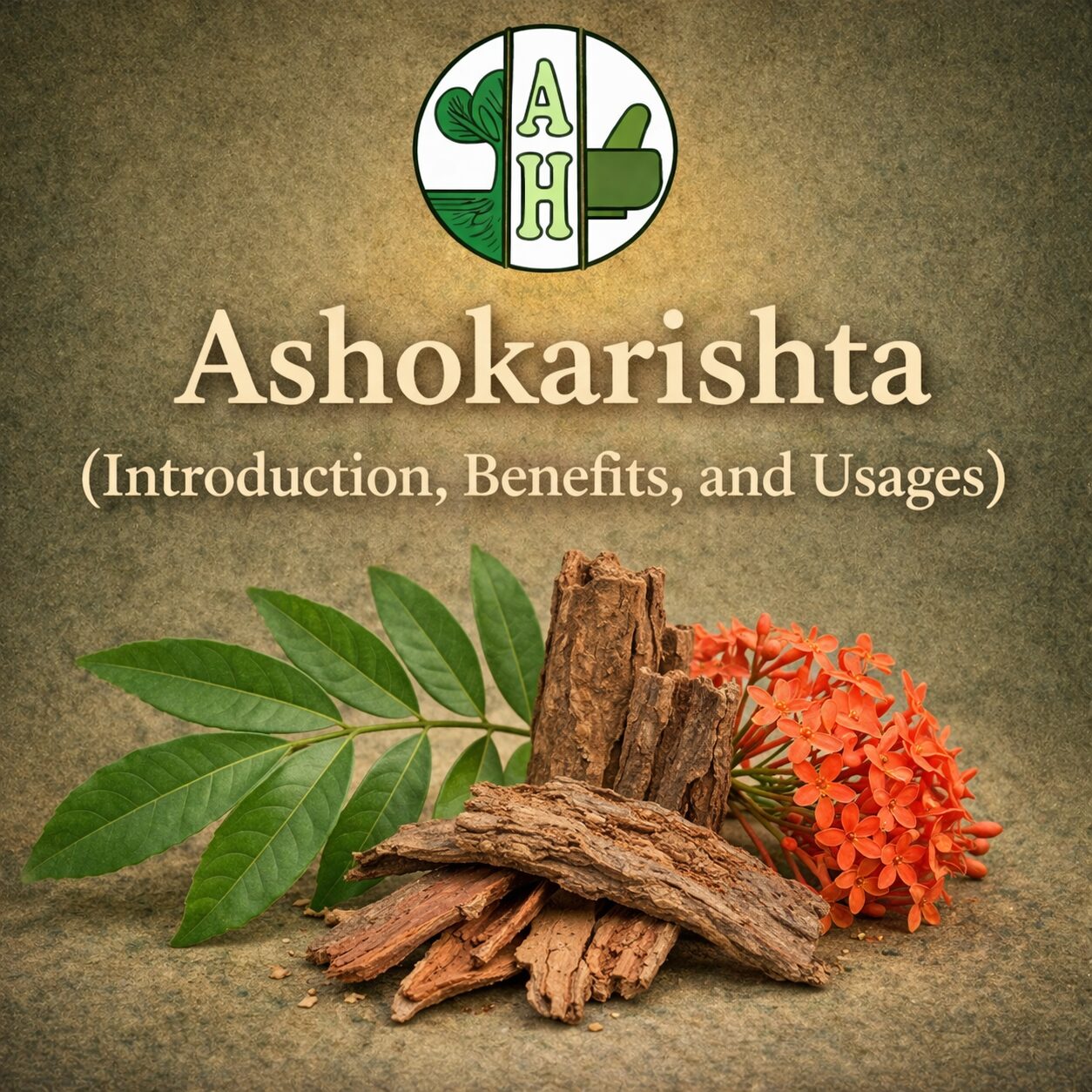
There’s something deeply tender about the word Ashoka in Ayurveda — it evokes images of ancient groves where women rested under copper‑toned leaves, seeking solace from the monthly waves of pain, imbalance, and emotional tides. In Sanskrit, Ashoka literally means “that which removes sorrow,” and this sentiment gives soul to one of Ayurveda’s most revered liquid tonics: Ashokarishta. Generations before modern healthcare existed placed their trust in this sweet, aromatic, gently fermented herbal elixir — not as a quick fix, but as a companion in the rhythm of women’s lives.
Today, as modern science rediscovers what Ayurvedic sages always knew by heart, Ashokarishta is being embraced globally — not just for its rooted legacy, but for its multifaceted support of hormonal and reproductive harmony. Whether you’re navigating irregular cycles, menstrual discomfort, or seeking general uterine wellness, this age‑old arishta (fermented tonic) has a story and strength worth understanding.
What Is Ashokarishta?
Ashokarishta (also spelled Asokaristam) is a classical Ayurvedic liquid preparation classified under Arishtas, a category of fermented herbal medicines. Its principal ingredient is the bark of the Ashoka tree (Saraca asoca), blended with other supportive herbs and sweetened with jaggery before natural fermentation transforms the decoction into a potent, bioavailable tonic.
Belonging to the Fabaceae family by botanical lineage, the Ashoka tree is an evergreen with lush foliage and clusters of vibrant orange‑red blossoms native to the Indian subcontinent, particularly flourishing in regions from Bihar and Uttar Pradesh down to Kerala and Sri Lanka. In homes and herbariums alike, Ashokarishta is affectionately known by many names — from Ashokarishtam in Kerala to simple “Ashoka tonic” among English‑speaking wellness seekers — all reflecting its intimate association with feminine health.
Ashokarishta in History and Culture
Ayurveda’s classical manuscripts describe specific Arishtas for nurturing the body’s internal balance, and Ashokarishta holds a cherished place among them. Texts like the Sharangadhara Samhita elaborate on Ayurvedic processes (Sandhana Kalpana) involving decoctions transformed through fermentation — an art that enhances herbal potency and preserves medicinal qualities.
Throughout history, Ashokarishta was more than medicine; it was intertwined with cultural rites of womanhood. Folk healers and vaidya families in India’s rural heartlands passed recipes down generations, using local herbs like Ashoka, Dhataki flowers, and Musta to bolster reproductive health. Even during colonial times, European physicians documented its widespread use among midwives for menstrual and postpartum care — a testament to its deeply rooted cultural legacy.
Ayurvedic Properties
In Ayurveda, Ashokarishta balances Vata and Pitta doshas — the forces governing movement and metabolic fire — making it especially supportive for conditions related to menstrual flow and inflammatory discomfort. Its taste profile includes madhura (sweet), kashaya (astringent), and amla (sour), with a cooling (śīta) potency that gently regulates the body (vipāka: madhura), while its actions (karmas) include rakta‑stambhana (hemostatic), garbhashaya balya (uterine strengthener), and vata‑pitta shamana (pacifying the doshas).
Active Compounds and Modern Research
While traditional wisdom guides Ashokarishta’s use, modern research has begun to explore its biochemical profile. A study on traditional Ayurvedic ferments — including Ashokarishta — found significant antioxidant activity, suggesting its role in mitigating oxidative stress and enhancing therapeutic efficacy. Additionally, clinical evaluations combining Ashokarishta with other Ayurvedic remedies demonstrated supportive effects in managing menopausal symptoms, pointing toward potential hormone‑balancing properties worthy of further investigation.
Benefits of Ashokarishta
Support for Menstrual Well‑Being
For countless women, Ashokarishta has long been the go‑to herbal ally for menstrual balance. Its combination of astringent and reproductive‑supportive herbs is traditionally believed to regulate heavy or irregular bleeding (Raktapradara) and support the graceful flow of cycles. Modern herbal insights also suggest that fermentation enhances the release of bioactive compounds that may soothe uterine discomfort and promote vascular stability, which can help ease menstrual irregularities.
Relief From Menstrual Cramps and Discomfort
Painful menstruation (Kashtartava) can cast a shadow over life’s activities. In Ayurvedic logic, this pain reflects Vata imbalance in the pelvic region. Ashokarishta’s soothing profile — combined with herbs like Musta and Haritaki — is traditionally prized for its ability to ease muscle spasms, reduce inflammation, and foster rhythmic uterine contractions, helping many women experience more gentle cycles.
Hormonal Harmony and Reproductive Health
Modern wellness seekers are increasingly interested in natural approaches to hormonal balance. Ayurveda saw the reproductive system as a delicate interplay of doshas, and Ashokarishta’s ability to pacify Vata‑Pitta and support uterine agni (digestive and metabolic fire) makes it a classical choice for enhancing reproductive vitality, normalizing cycles, and supporting hormonal rhythms.
Support During Menopause
The transition into menopause brings a symphony of changes — mood fluctuations, hot flashes, and fatigue. Ashokarishta’s balanced nourishing quality and cooling influence are traditionally thought to assuage such symptoms by supporting metabolic steadiness and facilitating hormonal modulation throughout the mid‑life transition.
Digestive and Metabolic Support
Ashokarishta isn’t only for reproductive health; its herbal matrix may also help ease bloating, indigestion, and occasional constipation by gently stimulating agni (digestive fire). This can be particularly valuable when digestive discomfort compounds menstrual or hormonal issues.
Astringent and Hemostatic Actions
The herbs in Ashokarishta — especially Ashoka bark — have traditionally been regarded as stambhana (astringent) agents that help reduce excessive bleeding not only during menstruation but in other bleeding tendencies like nosebleeds or bleeding piles.
Classical Ayurvedic Formulations
Within the vast Ayurvedic pharmacopeia, Ashokarishta holds company with several time‑honored formulations:
- Ashokarishta — A fermented tonic primarily for menstrual and reproductive support.
- Draksharishtam — A grape‑based arishta used for digestive health and vitality.
- Saraswatarishta — A fragrant tonic traditionally used for cognitive and nervous system balance.
- Dasamoolarishtam — A powerful formulation known for supporting systemic balance, particularly post‑illness recovery.
These classical tonics embody Ayurveda’s belief in slow, gentle yet profound nourishment of body and mind.
How to Use Ashokarishta
1. Standard Liquid Arishtam:
Dilute 5–10 ml in an equal amount of warm water and take twice daily after meals. The warm water acts as an anupana (vehicle) that enhances absorption and digestive ease.
2. With Herbal Decoctions (Kwath):
During heavy menstrual bleeding or discomfort, take 10–15 ml of Ashokarishta with a mild ginger or cumin decoction to gently support rhythm and circulation.
3. As a Hormone Support Tonic:
For cycle regularization over longer periods, 10 ml twice daily with warm water or kanji (rice water) can help nourish rakta (blood) and uterine tissues.
4. In Post‑Menopause Care:
10–15 ml in the morning and evening can be beneficial when taken long term, always under practitioner guidance.
5. External Use (Herbal Compress):
Though less common, some practitioners recommend a warm herb‑infused compress using decoction of Ashoka bark to soothe lower abdominal discomfort when combined with internal dosing.
Dosage and Safety
For most adults, the standard dose of Ashokarishta is 5–15 ml twice daily after meals. Because traditional Arishtas contain a small amount of naturally formed alcohol from fermentation, they are generally not recommended during pregnancy unless specifically advised by an Ayurvedic expert. Similarly, consult a physician before use if you have liver conditions, are breastfeeding, or are on hormonal or anticoagulant medications, as interactions may occur. Always work with a qualified Ayurvedic practitioner for personalized dosing and duration.
Shop Section
If you are looking to bring the healing power of Ashokarishta into your daily wellness routine, Ayurvedaholic is your trusted destination for authentic Ayurvedic products. The platform carries a wide range of products from India’s most reputable Ayurvedic brands including Patanjali, Dabur, Baidyanath, and Kottakkal.
👉 Shop All Ayurvedic Products — Ayurvedaholic
Disclaimer
The information in this article is for educational purposes only and does not constitute medical advice, diagnosis, or treatment. Always consult a qualified Ayurvedic practitioner or healthcare professional before using any herb or formulation, especially if you are pregnant, breastfeeding, or on medication. Individual results may vary. Ayurvedaholic does not claim to diagnose, treat, cure, or prevent any disease.
References
- Sharangadhara Samhita, Sharangadhara Samhita, Arishta and Asava Kalpana
- Bhavaprakasha Nighantu, Arishta Varga
- Bhaishajya Ratnavali, Arishta Prakarana
- Modi M., Donga S., & Dei L. — “Clinical evaluation of Ashokarishta, Ashwagandha Churna and Praval Pishti in the management of menopausal syndrome.” AYU Journal, 2012 — View on PubMed
- Annadurai V. & Soundarapandian S. — “Antioxidant Activity of Fermented Traditional Medicines of Indian Ayurveda – Ashokarishta…” Biosciences Biotechnology Research Asia, Vol.15(3) — View DOI
- PharmEasy — Ashokarishta: Benefits, Uses, Side Effects & More — pharmeasy.in
- Ayur Times — Ashokarishta Benefits, Dosage & Side Effects — ayurtimes.com
- Easy Ayurveda — Heavy Periods (Ashokarishta context) — easyayurveda.com
- Netmeds — Ashokarishta: Ayurvedic Tonic Helps With Hormonal Balance — netmeds.com
- Ayurvedaholic — Authentic Ayurvedic Products Online — ayurvedaholic.com

Add comment