
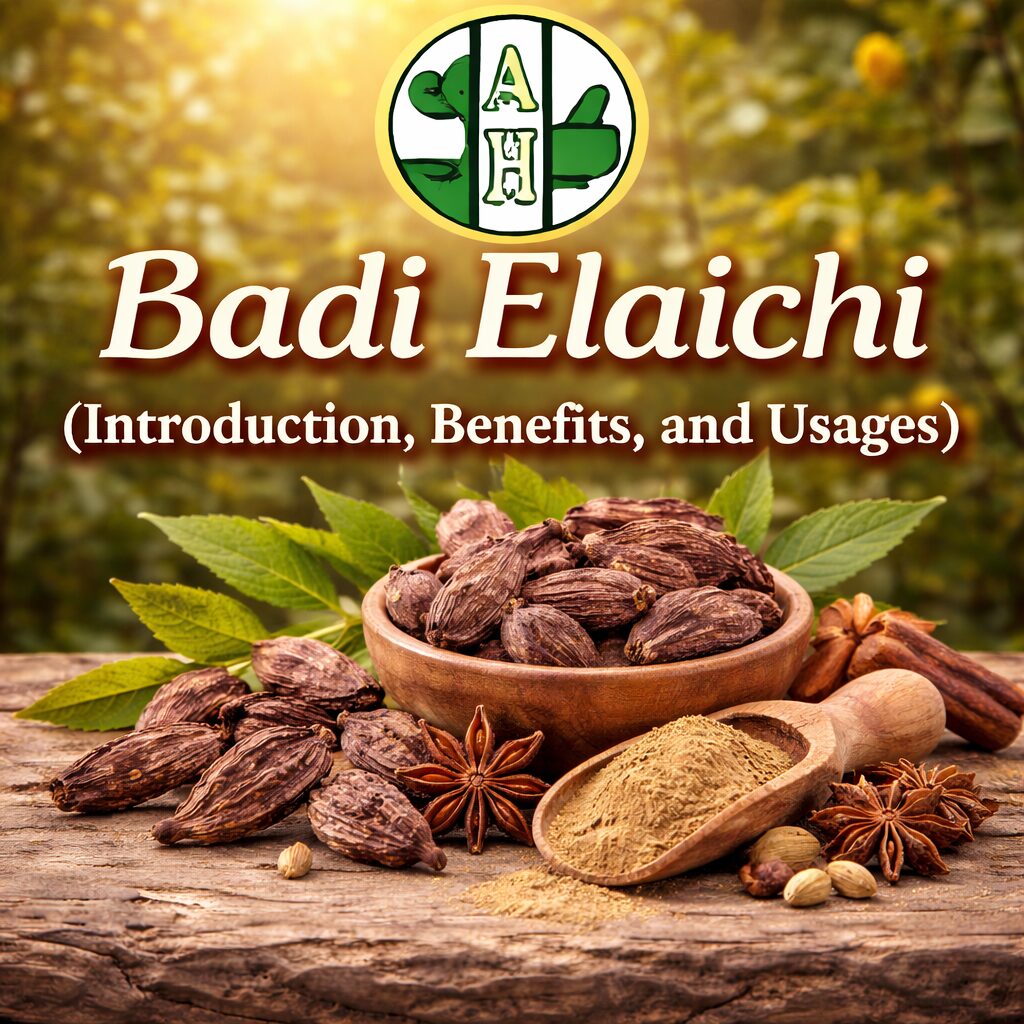
Badi Elaichi (Introduction, Benefits, and Usages)
There’s a certain aroma that instantly transports me back to winter mornings in my grandmother’s kitchen — the deep, earthy fragrance that curls from a simmering pot of dal or chai. That aroma, warm yet smoky, belongs to Badi Elaichi, the majestic black cardamom. It’s not the delicate sweetness of green cardamom that most of us know from desserts or milky teas. Badi Elaichi carries a bold, rustic presence — a spice that feels ancient and wise, as if it has secrets to share about the body, the senses, and the rhythms of life itself.
In the tapestry of Indian culinary and medicinal traditions, Badi Elaichi stands as both flavour and healer. From aromatic biryanis to treasured Ayurvedic tonics, this large, dark pod has woven itself into practices that span the eastern Himalayas to the kitchens of Rajasthan, the wellness rituals of urban India, and beyond. Today, as the world rediscovers traditional plant wisdom, this spice is stepping into the spotlight not just for its taste but for its potential to support holistic well‑being.
What Is Badi Elaichi?
Badi Elaichi — botanically Amomum subulatum — is a perennial herb in the Zingiberaceae family, the same illustrious lineage that includes ginger, turmeric, and green cardamom. Its fruitpods are larger and darker than green cardamom, with thick, ridged shells that dry to a rich brown or nearly black colour. Inside lie small, resinous seeds that release a smoky, camphorous aroma when crushed.
This plant thrives in the cool, moist soils of the eastern Himalayan belt, particularly in Nepal, northeast India (Sikkim, Assam, Arunachal Pradesh), and parts of Bhutan, where farmers have cultivated it for generations. The robust vines flower near the ground, eventually producing clusters of pods that are dried — often over open flames — giving them their signature smoky complexity.
Across India, Badi Elaichi goes by many names: Badi Ilayachi in Hindi, Brihat Ela in Sanskrit, Greater Cardamom or Nepal Cardamom in English, and similar terms in various regional tongues.
Badi Elaichi in History and Culture
In classical Ayurvedic texts, cardamoms — particularly the larger varieties — are mentioned for their digestive and aromatic properties, though specific citations of Amomum subulatum may spread across several compendiums collectively documenting spices and herbs used in traditional systems (Dravyaguna Vijnana, Bhavaprakasha Nighantu, etc.). In Ayurveda, herbs are seldom described solely by botanical name; rather, they are woven into wider pharmacological discussions of rasa (taste), guna (qualities), and bheda (differentiations among species).
Historically, this spice also threaded its way into trade routes that spanned the ancient world. The spice trade that flourished between South Asia, the Middle East, and Europe valued aromatic seeds not just for flavour but for their preservative and medicinal uses. Black cardamom pods — hardy and richly scented — both seasoned food and carried symbolic significance in hospitality, ritual, and healing.
Ayurvedic Properties
In Ayurvedic pharmacology, Badi Elaichi carries a Rasa (taste) that is predominantly katu (pungent) and slightly tikta (bitter), with Guna (qualities) that are Laghu (light) and Ruksha (dry). Its Virya (potency) is ushna (warming), and its Vipaka (post‑digestive effect) leans towards katu, making it especially supportive for digestive and respiratory pathways. Traditionally, it is said to pacify Vata and Kapha doshas while having a mild aggravation of Pitta when taken in larger quantities. Its key Ayurvedic karmas include deepana (digestive stimulant), pachana (digestive support), and sroto‑shodhana (clearing channels).
Active Compounds and Modern Research
The seeds and pods of Amomum subulatum are rich in essential oils such as 1,8‑cineole, α‑terpineol, and sabinene, along with flavonoids and other bioactive compounds. These constituents are associated with antioxidant activity and contribute to the herb’s distinctive aroma and potential therapeutic actions. Modern research has explored several facets of black cardamom’s bioactivity: animal studies show hypotensive effects and impacts on heart rate variability, hinting at cardiovascular potential, and in vitro work highlights antimicrobial and even apoptosis‑inducing activity against certain cancer cell lines.
Benefits of Badi Elaichi
Digestive Harmony and Appetite Support
One of the most cherished qualities of Badi Elaichi in Ayurveda is its ability to gently kindle agni (digestive fire). Its warming nature stimulates digestive enzymes, helping to alleviate common discomforts such as gas, bloating, and indigestion. Modern nutritional insights also suggest that the essential oils in black cardamom can enhance gastric motility and support appetite regulation, especially following heavier meals.
Respiratory Support and Clear Breathing
The warming, aromatic nature of this spice makes it a natural ally for the respiratory system. In traditional preparations, Badi Elaichi has been used to soothe congestion and support expectoration, making breath feel freer during seasonal challenges. Its volatile oils help to open respiratory channels, aligning with Ayurveda’s emphasis on clearing Kapha‑related stagnation.
Antioxidant and Cellular Protective Effects
The flavonoids and essential oils in black cardamom exert antioxidant effects, which help neutralize free radicals that contribute to cellular stress. Antioxidants play a crucial role in maintaining overall vitality and can support long‑term healthy aging when incorporated into daily wellness practices.
Heart and Circulatory Benefits
Animal studies suggest that extracts of Amomum subulatum may help regulate blood pressure and support parasympathetic tone, indicating potential benefits for cardiovascular balance. While human data are limited, these findings provide an intriguing bridge between traditional use and modern inquiry.
Oral and Dental Wellness
Since ancient times, chewing cardamom pods has been a traditional way to freshen breath and support oral hygiene. The spice’s antimicrobial characteristics may help inhibit harmful oral bacteria, making it a rhythmic part of digestif and masticatory traditions in Indian households.
Detoxifying and Metabolic Support
The warming quality of Badi Elaichi supports metabolic processes that aid detoxification through enhanced circulation, digestion, and elimination. In Ayurveda, herbs that support agni and srotogati (channel flow) are understood to help the body naturally clear metabolic by‑products.
Calming Aroma and Mental Ease
There’s a soothing quality to the aroma of black cardamom that speaks not just to taste but to mood. Whether sipped as a spiced tea or inhaled through steam, its fragrance can create a sense of calm focus — a gentle reminder of traditional practices where scent and mind‑body balance are deeply connected.
Classical Ayurvedic Formulations
In classical Ayurvedic pharmacopeia, cardamoms (including Badi Elaichi) are included in formulations like Eladi Tailam, where aromatic herbs support respiratory and skin health, and Varavisaladi Kashaya, a decoction aimed at digestive and nervous system balance. These formulations showcase how cardamom’s warming, stimulating qualities complement other herbs to create synergistic effects in holistic protocols.
How to Use Badi Elaichi
1. Churna (Powder): Roast and grind 1–3 g of dried pods into a powder and take with warm water or honey after meals to support digestion.
2. Kwath (Decoction): Simmer 1–2 crushed pods in 250 ml of water for 10–15 minutes. Strain and sip warm for respiratory comfort and seasonal support.
3. Infused Oil: Combine crushed pods with a base oil (sesame or coconut) and gently warm for topical use on the chest during congestion or for muscle stiffness.
4. Steam Inhalation: Add a few crushed pods to hot water and inhale the vapour to ease nasal and respiratory discomfort.
5. Culinary Use: Include whole pods in stews, biryanis, or spiced teas — light crushing before use helps release the beneficial essential oils.
Dosage and Safety
For most adults, 1–3 g of powdered Badi Elaichi or 1–2 crushed pods daily — either after meals or in formulations — is considered supportive. Pregnant or breastfeeding women, children, and those with sensitive digestive systems should consult a qualified Ayurvedic practitioner before therapeutic use. Because of its warming nature, excessive intake may aggravate Pitta dosha in susceptible individuals, and caution is always advised when combining herbs with prescription medications.
Shop Section
If you are looking to bring the healing power of Badi Elaichi into your daily wellness routine, Ayurvedaholic is your trusted destination for authentic Ayurvedic products. The platform carries a wide range of products from India’s most reputable Ayurvedic brands including Patanjali, Dabur, Baidyanath, and Kottakkal.
👉 Shop All Ayurvedic Products — Ayurvedaholic
In the gentle dance between tradition and modern life, Badi Elaichi is more than a spice — it’s a reminder that wellness can be savoured as deeply as the food and stories we share.
References
- Charaka Samhita, Sutra Sthana, Chapter 26
- Bhavaprakasha Nighantu, Haritakyadi Varga
- Sushruta Samhita, Uttara Tantra, Chapter 45
- Amomum subulatum (Black Cardamom) — Wikipedia — View on Wikipedia
- Biswal S. et al. — “Pharmacognostical and phytochemical studies of Amomum subulatum Roxb.” Journal of Pharmacognosy and Phytochemistry, 2018 — View on PubMed
Disclaimer
The information in this article is for educational purposes only and does not constitute medical advice, diagnosis, or treatment. Always consult a qualified Ayurvedic practitioner or healthcare professional before using any herb or formulation, especially if you are pregnant, breastfeeding, or on medication. Individual results may vary. Ayurvedaholic does not claim to diagnose, treat, cure, or prevent any disease.

Add comment