
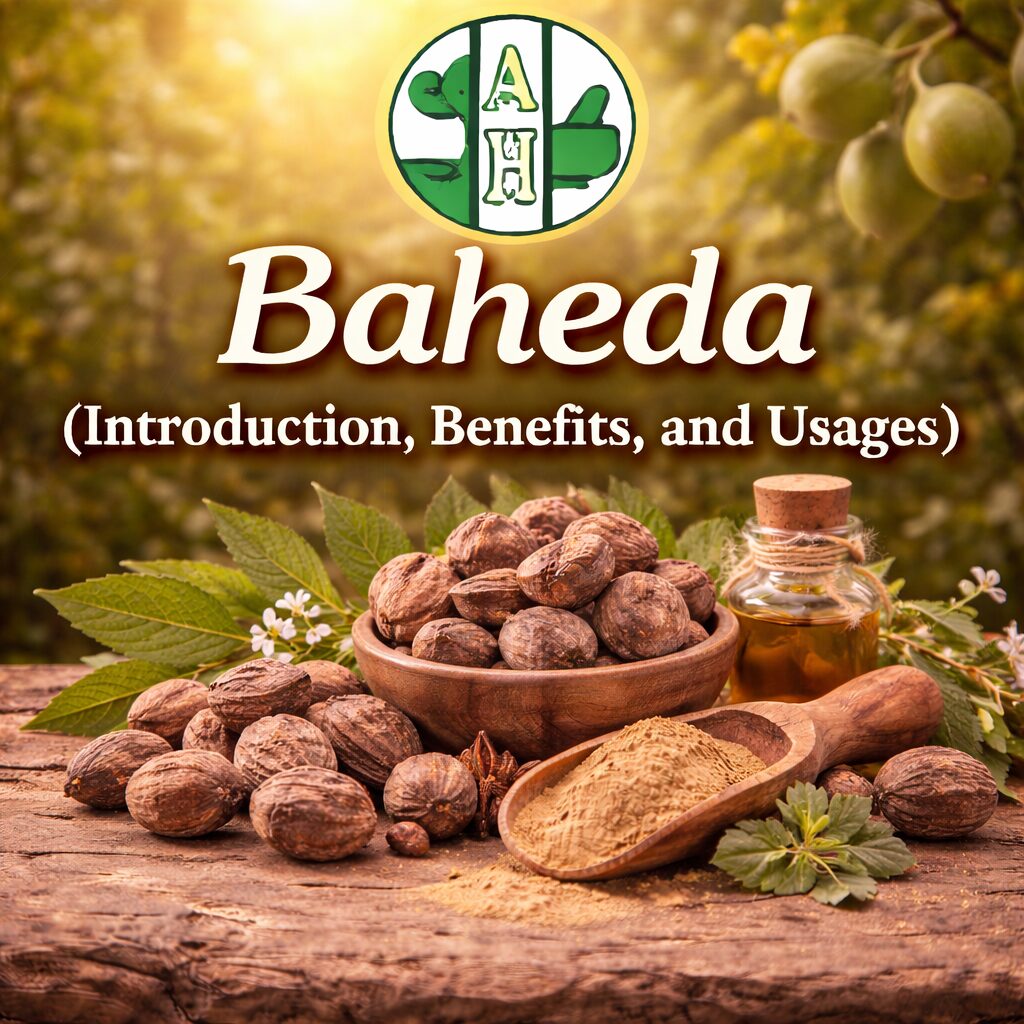
Baheda (Introduction, Benefits, and Usages)
There’s a seasonal rhythm in India that many of us feel without needing to look at a calendar — the first hint of winter in the morning breeze, the smell of dry leaves in the afternoon sun, and the sudden craving for a warm cup of herbal chai that soothes the lungs and the soul alike. Amid such intimate cultural rhythms, Baheda — the humble fruit of a tall deciduous tree — has threaded itself into the very fabric of Ayurvedic life for centuries. Long before supplements and extracts found their way into glossy wellness magazines, Baheda was quietly being boiled into decoctions in village kitchens, offered in temple rituals, and folded into the cherished Triphala mix — a trio of fruits that Ayurveda has celebrated as a rasāyana (rejuvenator) for body and spirit.
But why does this unassuming herb matter today, when ancient wisdom meets modern health challenges? Whether you’re confronting sluggish digestion at the end of a heavy meal, seeking gentle respiratory support in changing seasons, or exploring age‑old botanical allies to balance the mind and body, Baheda’s timeless relevance continues to resonate. Its earthy fragrance and bittersweet touch on the tongue tell a story of tradition, resilience, and holistic healing that still has much to teach us.
What Is Baheda?
Botanically known as Terminalia bellirica (sometimes spelled bellirica), Baheda belongs to the Combretaceae family — a group of trees native to South and Southeast Asia. This large, deciduous tree bears fruits roughly the size of small plums, with a thin outer skin and a hard inner core. Its appearance is unpretentious — dusky green to brown fruits that ripen under warm tropical sun and fall to the earth, carrying within them centuries of herbal lore.
In different corners of India, Baheda goes by a chorus of names that reflect its linguistic and cultural reach: Bibhitaki and Vibhitaki in Sanskrit; Baheda or Behada in Hindi and Marathi; Bhomra in Assamese; Bayada in Bengali; and Beleric Myrobalan in English. These varied appellations are a testament to its deep roots in local medicine, folklore, and daily life across regions.
Baheda in History and Culture
Baheda’s story is inseparable from the historical evolution of Ayurveda itself. Ancient Ayurvedic texts such as the Charaka Samhita and Sushruta Samhita describe the fruits of Terminalia species as rasāyanas — meaning they promote longevity, strength, and balanced physiology — and integrate them into formulations aimed at strengthening digestive fire (agni) and clearing bodily channels (srotas). Its inclusion in the classical Triphala blend, along with Haritaki and Amla, elevates it from a mere remedy to a core component of holistic health regimens passed down through generations.
Beyond texts, Baheda’s cultural footprints also appear in rituals, local trade, and traditional healing practices. In many rural markets of central India, dried Baheda fruits have been staple herbs traded for generations. Their integration into classical formulations and daily wellness routines reflects both reverence and trust in this unpretentious fruit.
Ayurvedic Properties
In Ayurveda, Baheda is described as having a predominantly kaṣāya (astringent) taste, with dry (rūkṣa) and light (laghu) qualities. Its post‑digestive effect (vipāka) is considered madhura (sweet), indicating a nourishing action once metabolized. Baheda’s potency (vīrya) is slightly uṣṇa (warming), making it particularly suitable for pacifying Kapha and Vāta doshas, while providing balanced support to Pitta. Its key karmas (actions) include rechana (mild laxative), kāsanāśana (relieving cough), and netrahita (supportive for eye health).
Active Compounds and Modern Research
Modern phytochemical analyses reveal that Baheda fruits are rich in tannins such as gallic acid, ellagic acid, and chebulagic acid — antioxidant polyphenols that help neutralize free radicals and support cellular resilience. A recent metabolomic study of Terminalia species (including Baheda) showed a diverse array of bioactive polyphenols that may interact with gut microbiota and antioxidant pathways, lending molecular support to its traditional use in digestive and systemic wellness.
Research has also isolated compounds with potential antidiabetic effects — such as octyl gallate — and shown that constituents from Terminalia species may enhance glucose uptake pathways in cells, offering intriguing leads into metabolic health.
Benefits of Baheda
Digestive Harmony and Gentle Elimination
One of Baheda’s most cherished roles in Ayurveda is supporting digestive health. Its astringent and mild rechana (laxative) properties help tone the intestinal lining, promoting regular bowel movements without the harshness of stimulant laxatives. By strengthening digestive fire (agni) and helping clear accumulated waste (āma), Baheda supports a smoother, more balanced digestive rhythm that many modern digestive issues can benefit from.
Respiratory Support and Mucus Balance
For seasonal coughs, persistent phlegm, or inflammatory throat conditions, Baheda has traditionally been used to ease breathing. Its expectorant nature helps loosen mucus and clear respiratory passages, while its anti‑inflammatory qualities support overall airway comfort. This dual action makes it a trusted herb for respiratory resilience, particularly during seasonal shifts.
Antioxidant and Cellular Protection
The high tannin and polyphenol content of Baheda contributes to its antioxidant profile. Antioxidants help protect cells from oxidative stress — a process linked to aging and chronic inflammation — and reinforce the body’s intrinsic defenses. While research continues to unfold, preliminary studies support the traditional understanding that Baheda can play a role in maintaining systemic vitality.
Metabolic and Blood Sugar Support
Traditional texts and emerging modern research both point to Baheda’s potential in metabolic regulation. Compounds within Baheda have shown potential effects on glucose metabolism and insulin modulation in experimental models. While these findings are preliminary and more clinical research is needed, they echo centuries‑old Ayurvedic assertions of Baheda’s role in balancing digestive and metabolic processes.
Skin and External Uses
Externally applied pastes or decoctions made from Baheda have been used for skin health — addressing conditions like minor rashes, eczema, or inflammatory irritation. Its antimicrobial and anti‑inflammatory activity provides a soothing complement to internal wellness practices.
Hair Nourishment and Scalp Health
Ayurvedic traditions attribute keshya (hair‑strengthening) qualities to Baheda. Its inclusion in hair oils and scalp treatments aims to improve hair texture, counter dandruff, and nourish the roots. The cooling yet balancing nature of Baheda oil (taila) makes it a beloved choice in traditional hair care rituals.
Detoxification and Blood Purification
In several classical references, Baheda is associated with cleansing the blood and lymphatic channels — contributing to detoxification and overall balance. While modern science is still elucidating the mechanisms, Ayurvedic practice has long integrated Baheda into cleansing regimens designed to support systemic clarity.
Classical Ayurvedic Formulations
Baheda plays a central role in the legendary Triphala — a balanced trio of fruits used as a daily rasāyana to support digestion, detoxification, and rejuvenation. It also appears in formulations such as Triphala Guggulu (used for metabolic balance), Triphala Ghrita (a nourishing medicated ghee), and Dashamoola Panchakoladi Kwatha (a decoction supporting systemic balance). Each of these formulations reflects Baheda’s versatile role in comprehensive Ayurvedic therapeutics.
How to Use Baheda
Baheda Churna (Powder):
Take 1–2 grams (about ½–1 teaspoon) of Baheda churna with warm water once or twice daily — ideally after meals. For digestive and respiratory support, mixing the powder with a teaspoon of honey can enhance palatability and effectiveness.
Kwatha (Decoction):
Boil 5–10 grams of coarse Baheda fruit pieces with 2–3 cups of water until reduced by half. Strain and drink 2–3 times a day for respiratory discomfort or sluggish digestion.
Medicated Oil:
Baheda oil (taila), often combined with sesame or coconut base, can be applied to the scalp to support hair growth and nourish roots. A gentle 10–15 minute scalp massage once or twice a week is traditionally recommended.
Steam Inhalation:
Add a tablespoon of Baheda powder to a bowl of hot water and inhale the vapor, focusing on the nasal passages. This method supports sinuses and respiratory ease.
Topical Paste:
For skin irritation or minor rashes, a paste of Baheda powder and water can be applied externally; always patch‑test and consult a practitioner for persistent skin conditions.
Dosage and Safety
For most adults, a typical internal dosage of Baheda powder ranges from 1 to 2 grams daily, taken with warm water or honey after meals. Pregnant and breastfeeding individuals should use caution and consult a qualified Ayurvedic physician before use, as Baheda is traditionally considered potent and may influence uterine activity. Those on medications for blood sugar, blood pressure, or anticoagulants should discuss Baheda use with their healthcare provider due to potential interactions. As with all herbs, mindful use and professional guidance ensure safety and effectiveness.
Shop Section
If you are looking to bring the healing power of Baheda into your daily wellness routine, Ayurvedaholic is your trusted destination for authentic Ayurvedic products. The platform carries a wide range of products from India’s most reputable Ayurvedic brands including Patanjali, Dabur, Baidyanath, and Kottakkal.
👉 Shop All Ayurvedic Products — Ayurvedaholic
In the gentle arc of your wellness journey, Baheda is more than an herb — it’s a bridge between ancient insight and modern needs. Whether sipped as a decoction during cool mornings or massaged into the scalp under golden sunset light, its presence brings with it a sense of timeless care and earthy wisdom that whispers of balance, resilience, and listening to the body’s own rhythms.
References
- Charaka Samhita, Sutra Sthana, Chapter 26
- Bhavaprakasha Nighantu, Haritakyadi Varga
- Bhaishajya Ratnavali, Volume 2, Vatavyadhi Chikitsa — View on Internet Archive
- Terminalia bellirica (Baheda) — Wikipedia — View on Wikipedia
- Suroowan S. et al. — “A comprehensive metabolome profiling of Terminalia chebula, Terminalia bellerica, and Phyllanthus emblica to explore the medicinal potential of Triphala.” Scientific Reports, 2024 — View on PubMed
- Nair V. et al. — “Therapeutic potential of octyl gallate isolated from fruits of Terminalia bellerica in streptozotocin-induced diabetic rats.” Pharmaceutical Biology, 2013 — View on PubMed
Disclaimer
The information in this article is for educational purposes only and does not constitute medical advice, diagnosis, or treatment. Always consult a qualified Ayurvedic practitioner or healthcare professional before using any herb or formulation, especially if you are pregnant, breastfeeding, or on medication. Individual results may vary. Ayurvedaholic does not claim to diagnose, treat, cure, or prevent any disease.

Add comment