
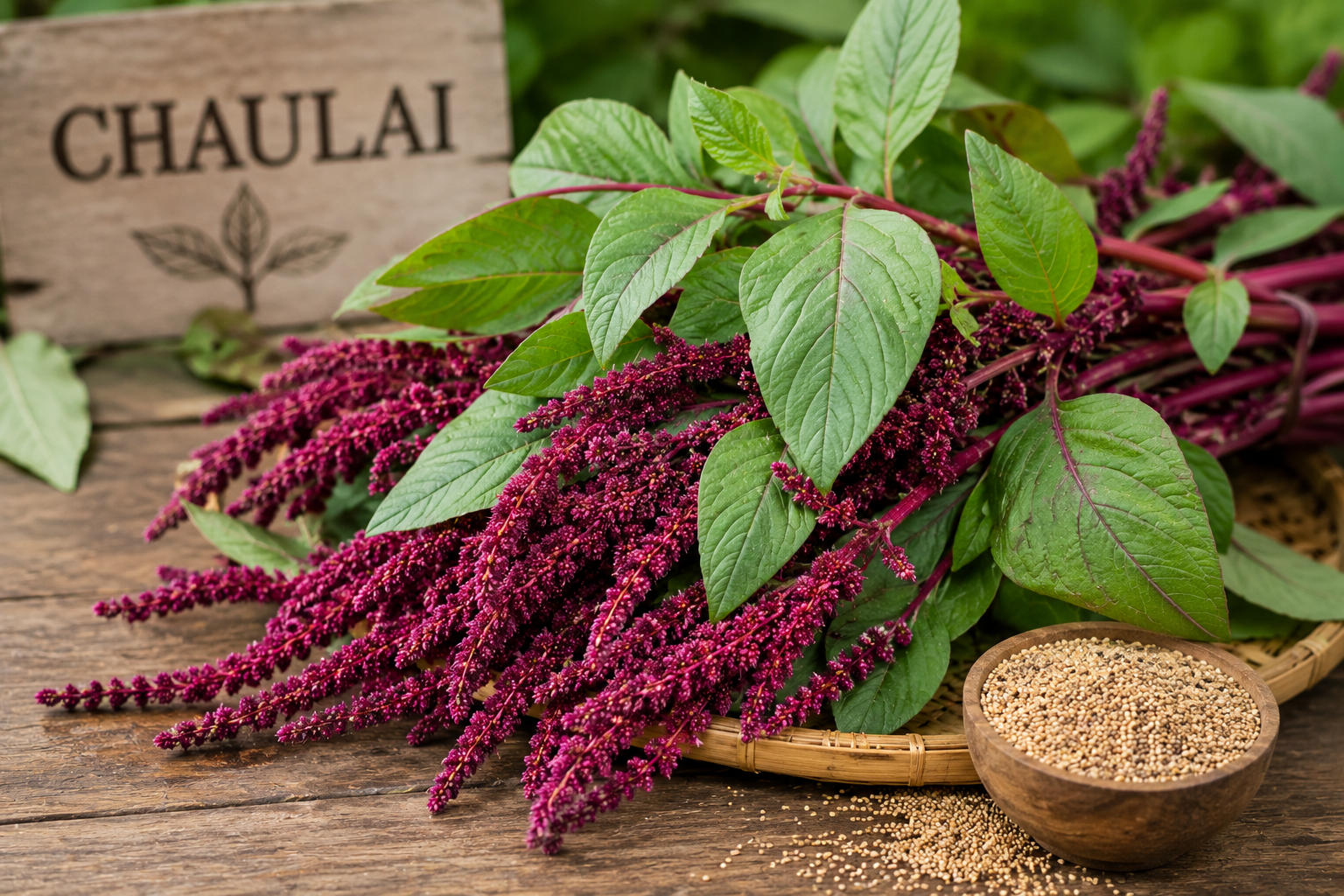
Chaulai (Introduction, Benefits, and Usages)
Chaulai benefits are largely overlooked despite this plant being one of the most nutritionally complete foods available in Indian cooking. Known globally as amaranth, Chaulai (Amaranthus tricolor and related species) is both a traditional Ayurvedic medicinal herb and a modern nutritional powerhouse — providing more iron than spinach, complete plant protein with all essential amino acids, and potent blood-purifying anti-inflammatory compounds. This guide explains exactly what Chaulai does and how to use it effectively. See Wikipedia: Amaranth. For related nutritive leafy greens, explore Broccoli and Giloy.
Chaulai is a traditional leafy vegetable that has been part of Indian kitchens for generations. Known in English as amaranth, Chaulai is valued not only for its distinctive taste but also for its impressive nutritional profile and versatility.
Depending on the region, people consume both Chaulai leaves and amaranth seeds or grain. The tender leaves are commonly cooked as saag, added to dals, or prepared with spices, while the tiny seeds can be cooked like a grain, popped, ground into flour, or incorporated into traditional foods.
Amaranth is not actually a cereal grain like wheat or rice. It is generally classified as a pseudocereal, meaning its seeds are consumed in a similar way to grains despite belonging to a different botanical family. Research reviews describe amaranth grain as a source of protein, fiber, minerals, and various bioactive plant compounds.
In traditional Indian food culture and Ayurveda-inspired diets, Chaulai is appreciated as a nourishing seasonal food. However, it is useful to separate its established nutritional value from exaggerated claims that sometimes appear online.
Let’s take a closer look at what Chaulai is, its nutritional qualities, potential benefits, traditional uses, and some precautions to keep in mind.
What Is Chaulai?
Chaulai is a common Indian name for edible plants belonging to the Amaranthus genus.
Different species and varieties of amaranth are cultivated for their:
- Green or red leaves
- Tender stems
- Tiny edible seeds
- Grain-like culinary uses
In parts of northern India, particularly Uttar Pradesh and Bihar, amaranth leaves are commonly known as Chaulai and may be prepared as Chaulai saag or lal saag.
The plant is available in several colors, including green, reddish-purple, and combinations of red and green.
Although both parts come from amaranth plants, it is important to distinguish:
Chaulai leaves – eaten primarily as leafy vegetables.
Amaranth seeds/grain – tiny seeds cooked, popped, or processed into flour.
Their nutritional profiles are different, so the benefits of one should not automatically be attributed to the other.
Chaulai in Ayurveda and Traditional Indian Diets
Ayurveda has always placed considerable importance on food as part of everyday well-being.
Rather than viewing every plant solely as a medicine, traditional dietary approaches use vegetables, grains, herbs, fruits, spices, and legumes according to the individual’s constitution, season, appetite, and digestive capacity.
Chaulai fits naturally into this food-based approach.
Fresh leafy vegetables can contribute variety to an Indian diet, while amaranth seeds provide another option for people looking to diversify their usual wheat- and rice-based meals.
The way Chaulai is prepared also matters.
Leaves are commonly cooked rather than eaten in very large quantities raw. They can be combined with dals, garlic, cumin, other vegetables, or simple spices according to regional culinary traditions.
Amaranth seeds may be boiled into porridge, puffed, added to mixtures, or ground into flour.
Nutritional Value of Chaulai
One reason Chaulai remains interesting from both traditional and modern nutritional perspectives is that different parts of the plant contain useful nutrients.
Nutrients in Chaulai Leaves
Amaranth leaves can provide nutrients including:
- Provitamin A carotenoids
- Vitamin C
- Calcium
- Iron
- Folate
- Magnesium
- Potassium
- Dietary fiber
- Various plant pigments and antioxidants
The exact amounts differ according to the variety, soil, maturity of the plant, preparation method, and serving size.
USDA-linked nutrient data describe raw and cooked amaranth leaves as valuable sources of several vitamins and minerals, particularly vitamins A and C and minerals such as calcium and manganese.
Nutrients in Amaranth Seeds
Amaranth grain provides a different combination of nutrients.
Research reviews describe amaranth as containing:
- Protein
- Dietary fiber
- Complex carbohydrates
- Magnesium
- Phosphorus
- Iron
- Manganese
- Various phenolic compounds
- Unsaturated fatty acids
USDA data for cooked amaranth also confirm that the grain provides protein, carbohydrate, fat, and several minerals.
A scientific review available through the U.S. National Institutes of Health discusses amaranth’s nutritional composition and its potential as a functional food. You can read it here: Amaranth and Quinoa as Potential Nutraceuticals – NIH.
Potential Benefits of Chaulai
Chaulai is best viewed as a nutrient-dense food, not as a miracle treatment.
Its potential health value comes largely from the nutrients it contributes when included as part of a balanced diet.
1. Provides Valuable Micronutrients
Chaulai leaves provide several vitamins and minerals that support normal body functions.
Carotenoids contribute to vitamin A nutrition, while vitamin C participates in antioxidant protection and normal immune function.
Minerals such as calcium, magnesium, potassium, and iron also perform important physiological roles.
This makes leafy Chaulai a useful way to increase the variety of vegetables in everyday meals.
2. Provides Plant-Based Protein
Amaranth grain has attracted attention because of its comparatively valuable protein profile.
Scientific reviews describe amaranth as a protein-rich pseudocereal containing a useful balance of amino acids.
That doesn’t mean amaranth should become the only protein source in the diet.
Instead, it can complement other plant foods such as:
- Lentils
- Beans
- Chickpeas
- Soy
- Nuts
- Seeds
- Dairy products where consumed
Combining different foods helps create a more nutritionally varied diet.
3. Supports Dietary Fiber Intake
Both leafy vegetables and whole pseudocereals can contribute dietary fiber.
Fiber is important for normal digestive function and helps increase stool bulk.
Including foods such as vegetables, fruits, legumes, and whole grains or pseudocereals is generally preferable to relying exclusively on fiber supplements.
Amaranth grain contains dietary fiber along with complex carbohydrates and other nutrients.
4. Useful Source of Iron
Iron is necessary for normal red blood cell formation and oxygen transport.
Both amaranth leaves and seeds contain iron, although the amount the body absorbs depends on several factors.
Plant-based iron is mainly present in a form that is less readily absorbed than iron from many animal foods.
Combining plant sources of iron with vitamin C-rich foods—such as lemon, amla, guava, tomatoes, or certain fruits and vegetables—can help support iron absorption.
Chaulai should not, however, be treated as a substitute for medical treatment when someone has diagnosed iron-deficiency anemia.
Persistent fatigue, weakness, breathlessness, or suspected anemia should be properly evaluated.
5. Naturally Gluten-Free Grain Option
Amaranth itself naturally does not contain gluten.
This makes amaranth grain an interesting alternative to wheat for people who need or prefer gluten-free foods. Scientific reviews discuss amaranth’s suitability for gluten-free food products.
However, people with celiac disease need to pay attention to cross-contamination.
Amaranth flour or packaged foods may be processed in facilities that also handle wheat, barley, or rye. Someone who must strictly avoid gluten should therefore select products specifically labeled and handled appropriately for gluten-free diets.
6. Adds Variety to a Vegetarian Diet
One of Chaulai’s simplest benefits is culinary diversity.
Indian diets can easily become dependent on a relatively small number of staples.
Rotating foods such as:
- Wheat
- Rice
- Millet
- Jowar
- Bajra
- Ragi
- Amaranth
- Lentils
- Seasonal vegetables
can increase dietary variety.
For example, those exploring multigrain foods can also read about Patanjali Navaratan Atta on Ayurvedaholic. The product combines several grains and seeds, including amaranth, with other traditional staples.
Chaulai Leaves vs. Amaranth Seeds
People sometimes use “Chaulai” and “amaranth” without distinguishing between the leaves and seeds.
Here’s the practical difference.
Chaulai Leaves
Primarily used as a vegetable.
They can be:
- Stir-fried
- Cooked as saag
- Added to dal
- Mixed with other greens
- Added to soups
- Cooked with potatoes or lentils
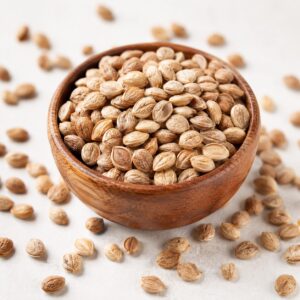
Amaranth Seeds
Used more like a grain.
They can be:
- Boiled
- Popped
- Made into porridge
- Ground into flour
- Added to ladoos
- Used in fasting recipes
- Combined with other grains
The seeds are sometimes sold as rajgira, particularly in India.
Although Chaulai greens and rajgira seeds come from amaranth plants, regional names and species may vary.
How to Use Chaulai Leaves
One of the easiest ways to consume Chaulai is as a cooked vegetable.
Chaulai Saag
Wash the leaves thoroughly to remove soil.
Chop the leaves and tender stems, then cook them with ingredients such as:
- Garlic
- Cumin
- Onion
- Green chilli
- A small amount of cooking oil
- Preferred spices
The recipe can be kept simple so that the natural taste of the vegetable remains prominent.
Chaulai Dal
Chopped amaranth leaves can also be cooked with moong dal, masoor dal, or another preferred lentil.
Combining a leafy vegetable with pulses creates a filling dish containing nutrients from both food groups.
Chaulai With Other Vegetables
Chaulai can be combined with:
- Potato
- Pumpkin
- Lentils
- Other leafy greens
- Garlic
- Tomatoes
Recipes vary considerably between regions.
How to Use Amaranth Seeds
Amaranth seeds are extremely small but versatile.
Cooked Amaranth
The seeds can be simmered in water until soft.
Cooked amaranth has a different texture from rice and can be used in grain bowls, porridge, or mixed dishes.
Popped Amaranth
Amaranth seeds can be dry-popped using high heat.
Popped amaranth is frequently incorporated into:
- Ladoos
- Energy bars
- Breakfast mixtures
- Snacks
Amaranth Flour
Ground amaranth or rajgira flour can be incorporated into rotis, pancakes, and other recipes.
Because it contains no gluten, it does not behave exactly like ordinary wheat flour, so recipes may require different proportions or the addition of other flours.
Is Chaulai Good for Weight Management?
Chaulai may fit well into a balanced diet designed for healthy weight management because leafy vegetables generally add volume and nutrients to meals.
Amaranth grain also contains fiber and protein.
However, no individual food independently causes weight loss.
Total energy intake, serving sizes, sleep, physical activity, dietary quality, and long-term eating habits matter much more than adding one so-called “weight-loss food.”
Preparation also matters.
A minimally processed amaranth dish is nutritionally different from a heavily sweetened amaranth snack.
Is Chaulai Good for Diabetes?
People with diabetes can eat many different vegetables and grains as part of an individualized diet, but the effect of a meal on blood glucose depends on the overall quantity and combination of carbohydrates, protein, fat, and fiber.
Research has explored the metabolic effects of amaranth, but existing evidence does not justify treating Chaulai or amaranth as a cure for diabetes. Reviews note promising areas of investigation while also showing that further clinical research is needed.
Anyone taking diabetes medication should continue their prescribed treatment and discuss major dietary changes with an appropriate healthcare professional.
Possible Side Effects and Precautions
Chaulai is consumed as an ordinary food by many people, but a few practical precautions are useful.
Wash Leaves Thoroughly
Leafy vegetables can carry soil and contaminants.
Wash Chaulai properly before cooking.
Don’t Depend on Chaulai Alone for Iron
Although amaranth contains iron, people with clinically diagnosed anemia may require investigation and specific treatment.
Oxalates
Like several leafy vegetables and plant foods, amaranth can contain oxalates.
People who have been medically advised to follow a restricted-oxalate diet—for example, because of certain types of kidney stones—should discuss appropriate portions and food choices with their healthcare professional.
Introduce Dietary Changes Gradually
A sudden large increase in fiber intake may cause temporary bloating or digestive discomfort in some people.
Increasing variety gradually and maintaining appropriate fluid intake can be more comfortable.
Frequently Asked Questions About Chaulai
What is Chaulai called in English?
Chaulai is generally known as amaranth in English. The term may refer to edible amaranth leaves, while the seeds are often known as amaranth grain or rajgira in India.
Can we eat Chaulai every day?
Chaulai can be included as part of a varied diet, but there is usually no reason to depend on a single vegetable every day. Rotating different leafy vegetables provides greater dietary diversity.
Is Chaulai rich in iron?
Both Chaulai leaves and amaranth seeds contain iron, although actual amounts vary. Plant iron is not absorbed as efficiently as some animal-derived iron sources, so overall diet remains important.
Is Chaulai gluten-free?
Amaranth grain itself is naturally gluten-free. People with celiac disease should still choose certified or appropriately processed products to minimize cross-contamination risks.
Are Chaulai and rajgira the same?
They are closely related terms. Chaulai commonly refers to the amaranth plant or its leafy greens, while rajgira commonly refers to amaranth seeds or products made from those seeds.
Can children eat Chaulai?
Cooked Chaulai can form part of a varied age-appropriate diet for many children. Serving size and texture should be suitable for the child’s age. Any specific dietary restrictions or medical conditions should be discussed with a pediatric healthcare professional.
Final Thoughts
Chaulai is a simple example of how traditional Indian foods can also offer considerable nutritional value.
Whether eaten as leafy Chaulai saag or as amaranth grain, the plant provides a useful combination of nutrients, including fiber, protein, vitamins, minerals, and naturally occurring plant compounds.
Its greatest benefit does not come from treating it as a miracle superfood.
Instead, Chaulai works best as part of a diverse diet containing vegetables, fruits, legumes, whole grains or pseudocereals, adequate protein, healthy fats, and other nutrient-rich foods.
The leaves can add variety to everyday sabzi and dal, while amaranth seeds can offer an alternative to more familiar grains.
From an Ayurveda-inspired perspective, this also reflects a useful principle: everyday food choices form an important foundation of long-term well-being.
Traditional foods do not need exaggerated claims to be valuable.
Sometimes their greatest strength is much simpler—they provide nourishment, variety, cultural familiarity, and another wholesome option for the everyday plate.
Disclaimer: This article is for educational and informational purposes only. It is not intended to diagnose, treat, cure, or prevent disease. People with medical conditions, kidney disorders, food allergies, or prescribed dietary restrictions should consult an appropriately qualified healthcare professional before making significant dietary changes.

Add comment